Madrid Travel Guide for First-Time Visitors
Plan your first Madrid trip with practical advice on where to stay, neighborhoods, getting around, food, things to do, safety, value, and a simple itinerary.
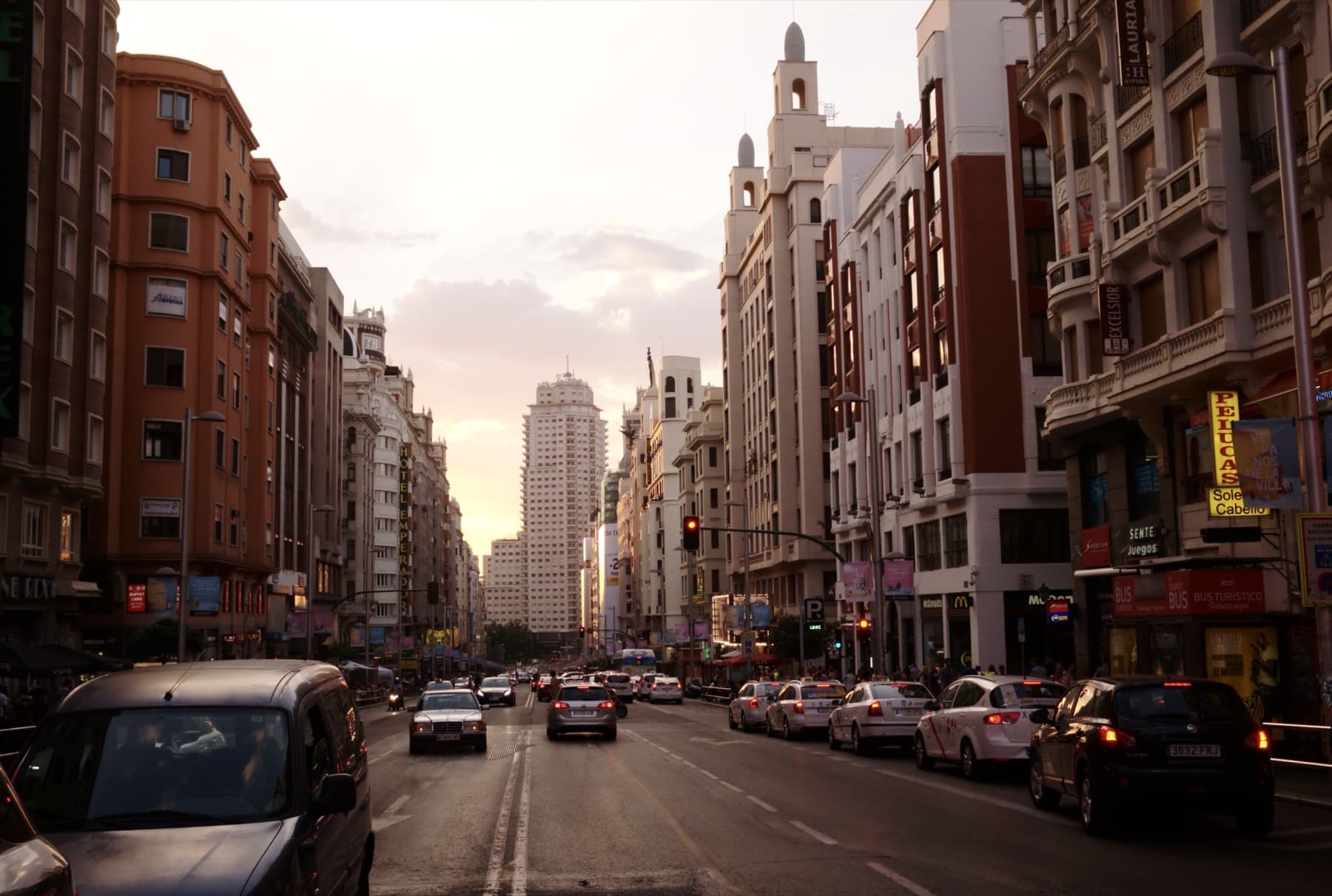
Madrid is one of Europe's best first-time city breaks if you want art, food, late evenings, walkable neighborhoods, parks, and a capital-city rhythm that feels alive without being as visually obvious as Paris or Rome. The trick is that Madrid does not always impress in the first five minutes. It is less about one postcard sight and more about how the days stack up: Prado in the morning, Retiro after lunch, vermouth in La Latina, a late dinner in Chueca or Chamberi, and a hotel base that does not make every night feel like a logistics exam.
This Madrid travel guide is built for first-time visitors who need practical choices: where to stay, which neighborhoods matter, how to get around, what to eat, what to prioritize, what to skip, and how to pace a simple first itinerary. For most travelers, **3 full days** is the right first visit. Add a fourth day if you want Toledo or Segovia, a slower museum pace, or more neighborhood eating.
**Quick answer:** First-time visitors should usually stay in Barrio de las Letras, Sol/Gran Via, La Latina/Austrias, Chueca/Malasana, Salamanca/Retiro, or Chamberi. Use Sol/Gran Via for pure convenience, Barrio de las Letras for the best culture-and-walkability balance, La Latina for old Madrid atmosphere, Chueca/Malasana for nightlife and food, Salamanca/Retiro for calm polish, and Chamberi for a more local base. Walk the centre, use the Metro for longer hops, and do not overbuild the trip around Plaza Mayor.
Quick Facts
- {'label': 'Best all-around base', 'value': 'Barrio de las Letras'}
- {'label': 'Best convenience base', 'value': 'Sol or Gran Via edge'}
- {'label': 'Best food/nightlife bases', 'value': 'Chueca, Malasana, La Latina, or Chamberi'}
- {'label': 'Best calmer bases', 'value': 'Salamanca, Retiro, or Chamberi'}
- {'label': 'Best trip length', 'value': '3 full days; 4 with a day trip'}
- {'label': 'Getting around', 'value': 'Walk the centre, use Metro for longer hops'}
- {'label': 'Main planning mistake', 'value': 'Only doing museums, Plaza Mayor, and tapas near the hotel'}
Table of Contents
- 1.Is Madrid worth visiting for first-time travelers?
- 2.Best time to visit Madrid
- 3.Where to stay in Madrid
- 4.Madrid neighborhoods and areas that matter
- 5.Getting around Madrid without overplanning
- 6.Food, tapas, markets, and when to eat
- 7.Best things to do on a first Madrid trip
- 8.A simple 3-day Madrid itinerary
- 9.Safety, money, and practical tips
- 10.How to make Madrid better value
Quick facts for first-time visitors
| First-trip question | Practical answer | |---|---| | Best trip length | 3 full days; 4 days if adding a day trip or slower museums | | Best all-around base | Barrio de las Letras or Sol/Gran Via edge | | Best food/nightlife base | Chueca, Malasana, La Latina, or Chamberi | | Best calmer base | Salamanca, Retiro, or Chamberi | | Best budget/value logic | Stay just off the most central streets, near a useful Metro line | | Getting around | Walk the old centre, use Metro for longer trips, use taxis/ride-hail late if tired | | Best time to visit | April to June and September to November; July and August can be brutally hot | | Main planning mistake | Treating Madrid as only museums, Plaza Mayor, and tapas near the hotel | | Safety posture | Generally comfortable, but watch pickpockets around Sol, Gran Via, markets, and crowded Metro areas |
Table of contents
1. Is Madrid worth visiting for first-time travelers? 2. Best time to visit Madrid 3. Where to stay in Madrid 4. Madrid neighborhoods and areas that matter 5. Getting around Madrid without overplanning 6. Food, tapas, markets, and when to eat 7. Best things to do on a first Madrid trip 8. A simple 3-day Madrid itinerary 9. Safety, money, and practical tips 10. How to make Madrid better value
Is Madrid worth visiting for first-time travelers?
Madrid is worth visiting if you want a big European capital with world-class art, serious food, excellent nightlife, strong public transport, and day-trip options. It is especially good for travelers who like cities that get better as the day goes on.
Madrid is not the best choice if you want beach time, medieval prettiness on every corner, or a city that does all the work for you visually. Barcelona has the sea and Gaudi drama. Seville has an easier old-town romance. Madrid is more lived-in, more social, and more rewarding once you stop hunting for a single "main attraction" to explain the whole place.
The best first Madrid trip mixes three things: the museum-and-park axis around Prado and Retiro, the historic centre around Sol, Plaza Mayor, the Royal Palace, and La Latina, and the evening neighborhoods north and east of Gran Via. If you only do the first two, Madrid can feel formal and touristy. If you only do the third, you miss why the city matters.
> **Quick answer block:** Madrid is best for first-time visitors who want art, food, late dinners, neighborhood wandering, parks, and easy day trips. It is weaker for beach trips, early-to-bed travelers, and anyone who wants every major sight packed into one tiny old town.
Best time to visit Madrid
The best time to visit Madrid is usually April, May, early June, September, October, and November. These months give you the best mix of walking weather, outdoor terraces, Retiro time, and manageable sightseeing energy.
July and August can work, but they are not casual months. Madrid gets hot, locals leave for holidays, and a midday walk across exposed plazas can feel like punishment with architecture. If summer is your only option, build days around early starts, museums in the heat, long lunches, hotel breaks, and late evenings.
Winter is underrated if you care about museums, food, and lower hotel prices more than terrace weather. December has lights and holiday atmosphere. January and February can be crisp, quiet, and good value, though less leafy and less open-air.
Spring has San Isidro in May, terraces, parks, and strong city energy. Fall is probably the easiest all-around recommendation: warm enough to enjoy the city, cooler than summer, and better suited to walking-heavy days.
Where to stay in Madrid
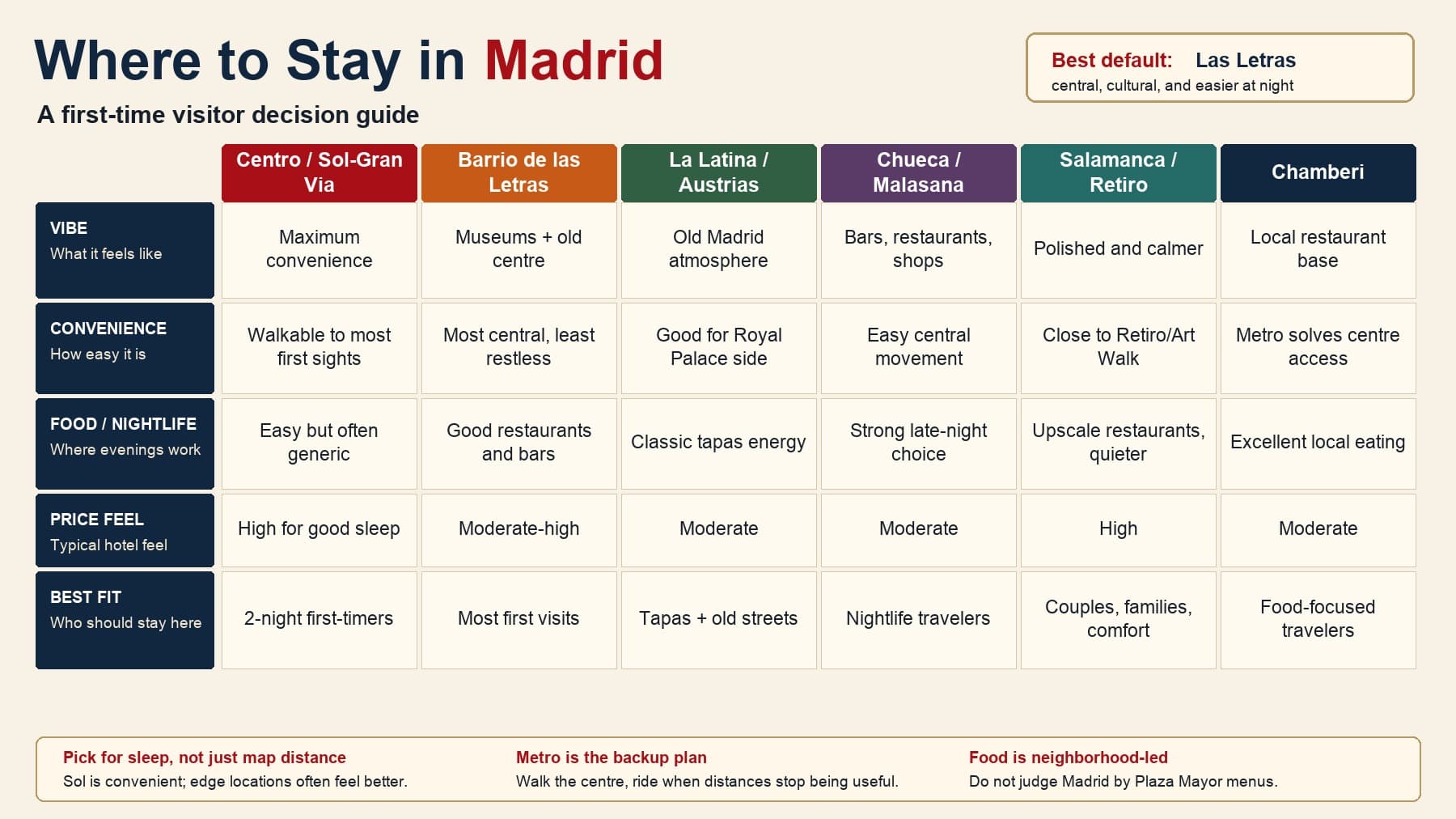
The best area to stay in Madrid depends on whether you want pure convenience, better evenings, quieter comfort, food access, or value. Do not book only by distance to Puerta del Sol. The absolute centre is convenient, but the loudest, busiest, most tourist-shaped blocks are not always the best sleep.
Sol and Gran Via
Sol and Gran Via are the easiest first-time base if you want maximum convenience. You can walk to Plaza Mayor, Royal Palace, Barrio de las Letras, Chueca, Malasana, and many transport links. If you have two nights and want the simplest map, this area works.
The tradeoff is noise and tourist density. Stay near the edge rather than directly above the busiest pedestrian flow if sleep matters. Gran Via is useful, but it is not subtle. It is Madrid's volume knob.
Barrio de las Letras
Barrio de las Letras is the best all-around base for many first-time visitors. It sits between Sol, Prado, Retiro, and good eating streets, with enough central convenience and less of the full Gran Via blast.
Stay here if your trip is museums, walking, restaurants, and a calmer central feel. It is not the cheapest area, but it often gives the best convenience-to-atmosphere ratio.
La Latina and Austrias
La Latina and the Austrias area are best for old Madrid atmosphere, tapas streets, Plaza Mayor, the Royal Palace, and a more historic feel. Cava Baja and nearby streets can be fun, especially on weekends.
The downside is that some blocks get very busy and some hotel locations are less convenient for the Prado/Retiro side. This is a good base if you want evenings built around tapas and old streets, not if you want the fastest museum commute.
Chueca and Malasana
Chueca and Malasana are best for nightlife, bars, casual restaurants, independent shops, and a younger city feel. Chueca is polished, central, LGBTQ-friendly, and excellent for food and evening movement. Malasana is rougher-edged, lively, and better for people who want bars and personality over quiet.
Do not stay here if you are noise-sensitive and booking a street-facing room above nightlife. That is not a hotel problem. That is you buying a drum kit and complaining about the drums.
Salamanca and Retiro
Salamanca and Retiro are the calmer, more polished choices. Salamanca is upscale, orderly, and excellent for shopping, restaurants, and quieter hotels. Retiro puts you near the park and the Art Walk without sleeping in the busiest centre.
The tradeoff is price and less messy nightlife outside your door. For couples, families, older travelers, and anyone who wants Madrid without the central buzz all night, these areas can be excellent.
Chamberi
Chamberi is one of the best areas for a more local stay. It has restaurants, bars, neighborhood streets, and Metro links without feeling like every storefront exists for visitors.
First-timers should pick the exact location carefully. Near useful Metro stops, Chamberi is easy. Too far from the centre, and you may spend more time commuting than you intended.
Madrid neighborhoods and areas that matter
Madrid is easier to understand if you think in zones rather than a single centre. Sol is the transit and tourist bullseye. Gran Via is the big commercial spine. Barrio de las Letras connects culture and restaurants. La Latina/Austrias gives you older Madrid. Chueca/Malasana gives you nightlife and modern city life. Salamanca/Retiro gives you polish, parks, and museums. Chamberi gives you everyday Madrid with better eating than many visitors expect.
For a first trip, I would not make Lavapies the default hotel base unless you specifically want its food scene, multicultural edge, and a less polished feel. It can be rewarding, especially by day and around Anton Martin, but some first-timers find it scruffier at night than they expected. Visit it for food and atmosphere before deciding it is your ideal sleep base.
The main neighborhood mistake is assuming "central" means "pleasant." In Madrid, the best central stay is often one step off the loudest axis. A hotel near the edge of Sol, in Barrio de las Letras, near Chueca, or near Retiro can beat a technically perfect but noisy location.
Getting around Madrid without overplanning
Madrid is easy without a car. The best strategy is to walk the central neighborhoods, use Metro for longer hops, and avoid turning every day into a heroic step-count project.
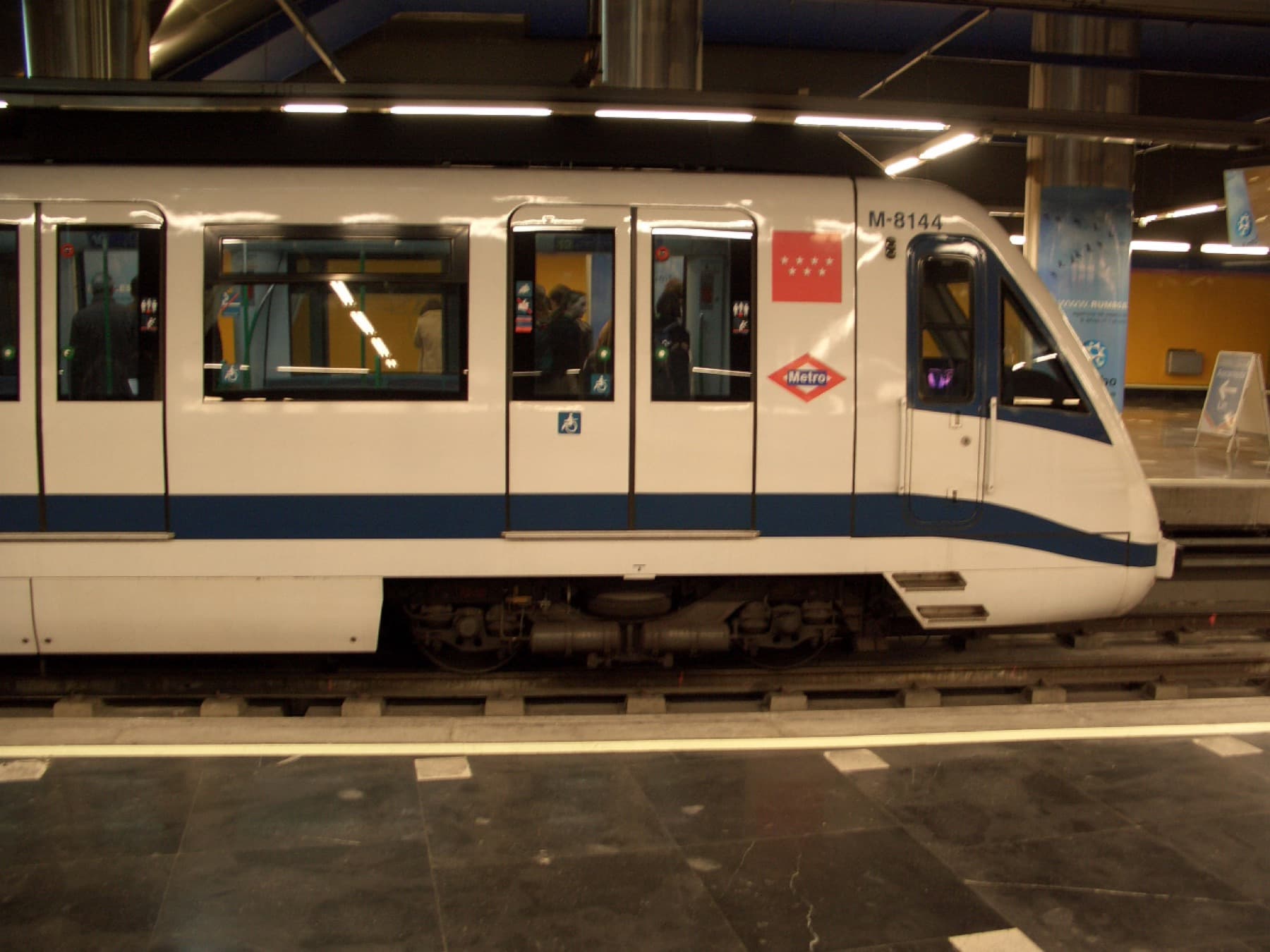
The Metro is fast, useful, and usually the easiest way to connect hotel areas with Retiro, Santiago Bernabeu, Chamartin, Moncloa, and the airport route. Buses are also useful, especially when they avoid a Metro transfer, but first-timers can keep the plan simple with walking plus Metro.
For the airport, you have three common options. Metro Line 8 works well if your hotel route is simple, but airport trips include a supplement unless covered by a tourist pass. The Airport Express bus is useful for late-night or early-morning travel because it runs 24 hours and links the airport with central stops. Taxis and ride-hail make sense for groups, heavy luggage, or arrivals when you do not want to solve Spanish transit while jet-lagged and holding a suitcase like a wounded animal.
The Tourist Travel Pass can be useful if you will ride often and want the airport supplement included in Zone A coverage. Otherwise, a 10-trip ticket can be better value for travelers mostly walking the centre and taking a handful of rides. Check current fares before travel; Madrid transport prices and discounts can change by year.
Food, tapas, markets, and when to eat
Madrid food works best when you stop treating tapas as a single dinner format and start treating neighborhoods as food decisions. The city is excellent for vermouth, tortillas, croquetas, jamon, seafood bars, cocido madrileno, bocadillo de calamares, churros, market grazing, and late dinners.
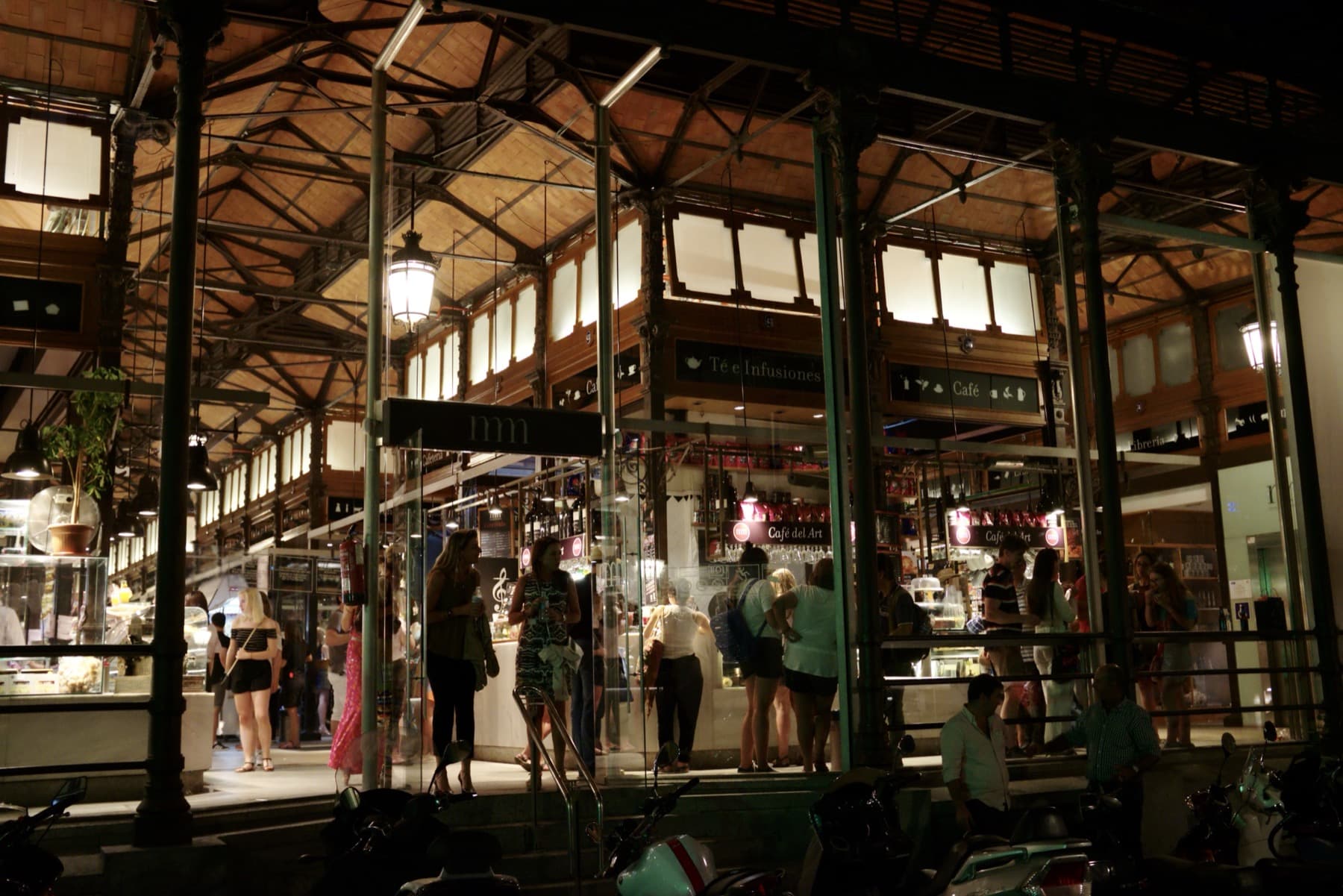
San Miguel Market is worth seeing because it is central, handsome, historic, and easy. It is also popular and priced for visitors. Use it as a first snack stop near Plaza Mayor, not as proof you have cracked Madrid's food scene.
For better eating, use La Latina for tapas atmosphere, Chueca for restaurants and bars, Malasana for casual nights, Chamberi for a more local food crawl, and the Ibiza/Retiro area for strong restaurant density near the park. Anton Martin and San Fernando can be more interesting than San Miguel if you want market energy with less postcard polish.
Madrid eats late. Lunch is often the more important meal, and dinner commonly starts later than North Americans expect. If you get hungry at 6:30 p.m., that is not dinner time. That is snack strategy time. Have vermouth, a tapa, churros, or something small, then eat properly later.
> **Quick answer block:** For a first Madrid food plan, do San Miguel briefly, eat tapas in La Latina or Chamberi, book one proper dinner in Chueca, Salamanca, Retiro, or Las Letras, and leave room for churros or a late vermouth stop.
Best things to do on a first Madrid trip
The best first Madrid trip should prioritize the Prado/Retiro axis, the historic centre, one good neighborhood evening, and one flexible food-and-walking day. Do not try to turn every museum and palace into a checklist victory.
The **Prado Museum** is the strongest single cultural anchor. It is huge, so decide what you care about before entering: Velazquez, Goya, Bosch, El Greco, or a timed highlights route. The official tourism site points visitors toward planning time rather than wandering blindly, and that is good advice. The Prado can become an expensive hallway if you arrive tired and directionless.
The **Art Walk** links the Prado, Thyssen-Bornemisza, Reina Sofia, CaixaForum, the Botanical Garden, and nearby cultural stops. Do not do all three major museums in one day unless your idea of fun is competitive looking. Pick one main museum, maybe a second smaller visit, then use Retiro or a long lunch to reset.
The **Royal Palace** and **Almudena Cathedral** are worth doing if palace history or grand interiors interest you. Pair them with Plaza Mayor, Mercado de San Miguel, and La Latina rather than crossing the city immediately afterward.
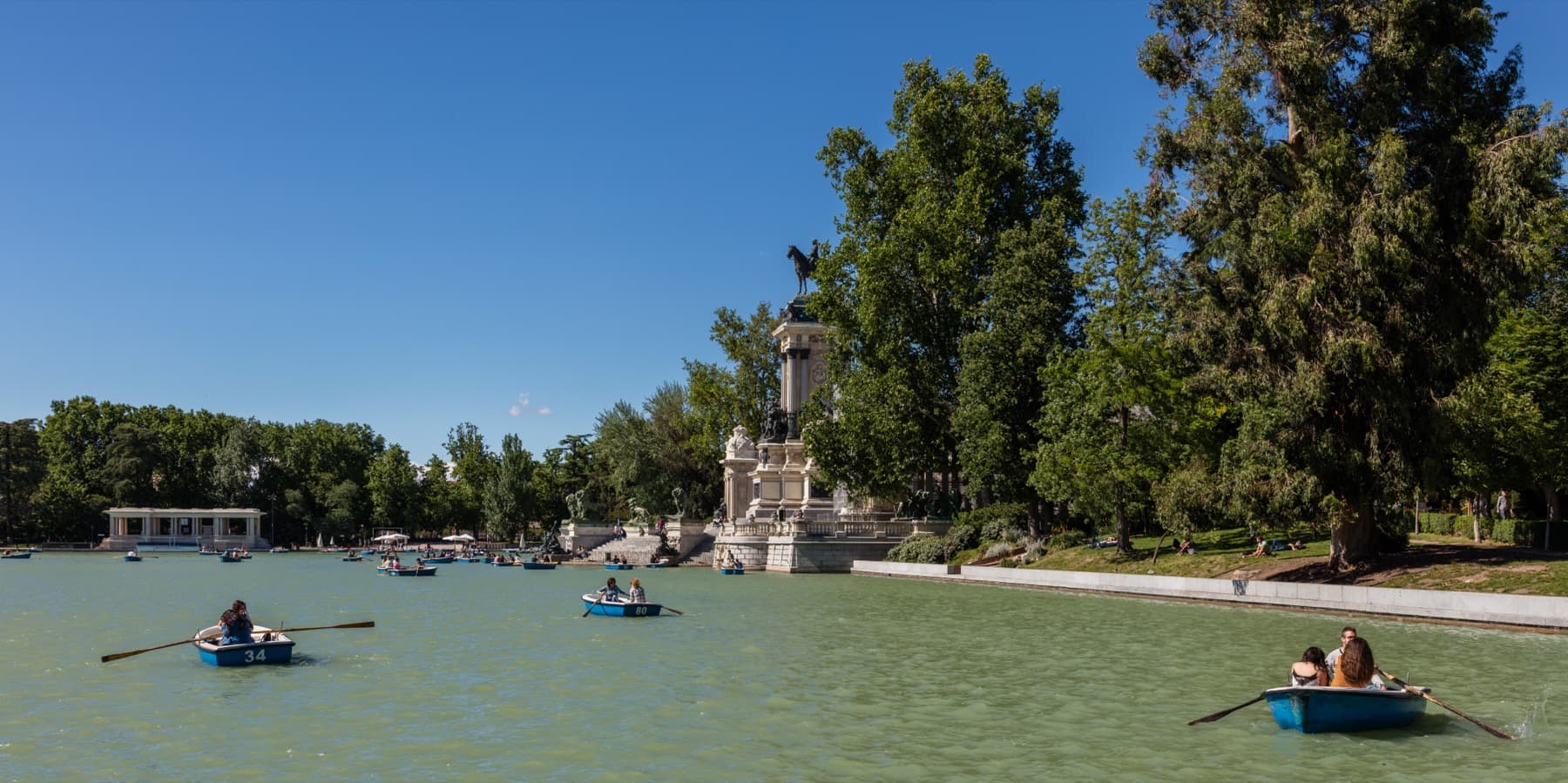
**Retiro Park** belongs in the first trip. It works after the Prado, before dinner near Ibiza/Retiro, or as a sanity break when the centre gets too hard-edged.
**Plaza Mayor and Puerta del Sol** are orientation stops, not places to donate half your trip. See them, understand the geography, take the photo, and move on before your day turns into standing near people also wondering why they are standing there.
**Chueca, Malasana, La Latina, and Chamberi** matter because Madrid's real appeal often shows up after the formal sightseeing. Build at least one evening around a neighborhood rather than one famous restaurant.
For a fourth day, consider **Toledo** if you want history and a dense old city, **Segovia** for the aqueduct and castle, or **El Escorial** if royal history and architecture matter. Do not add a day trip if your Madrid plan is already rushed. A city does not become more impressive because you abandoned it at 8 a.m.
A simple 3-day Madrid itinerary
A good 3-day Madrid itinerary groups the city by geography and energy. The goal is not to see everything. The goal is to leave understanding why people actually like Madrid.
Day 1: Sol, old Madrid, Royal Palace, and La Latina
Start around Puerta del Sol to orient yourself, then move toward Plaza Mayor, Mercado de San Miguel, the Royal Palace, and Almudena Cathedral. Keep the pace moderate. This is your old Madrid day, not your entire Spain history degree.
Late afternoon and evening belong to La Latina or the Austrias area. Have vermouth, tapas, and a slow dinner plan. If it is Sunday, the Rastro market changes the neighborhood rhythm, so expect crowds and watch your pockets.
Day 2: Prado, Retiro, and Barrio de las Letras
Use the morning for the Prado or another Art Walk museum. Go in with a plan. Afterward, walk Retiro Park, then move through Barrio de las Letras for lunch, coffee, or an early evening drink.
This is a good day to avoid overbooking. One major museum plus Retiro plus a good dinner is a real Madrid day. Three museums plus a palace plus nightlife is just a cry for help with nicer shoes.
Day 3: Chueca, Malasana, Gran Via, and a food-focused evening
Use the morning for Gran Via, shopping, architecture, or a slower cafe start. Then explore Chueca and Malasana, or shift toward Chamberi if you want a less visitor-heavy food plan.
If you missed Reina Sofia or Thyssen, add one museum in the afternoon. Otherwise, keep the day neighborhood-led: shops, bars, plazas, markets, and a proper late dinner.
Optional Day 4: Toledo, Segovia, or a deeper Madrid day
If you add a fourth day, choose one day trip or stay in Madrid for Salamanca, Retiro/Ibiza restaurants, Bernabeu if football matters, or a deeper Chamberi/Lavapies food day.
Toledo is the best default day trip for many first-timers because it gives a sharp contrast to Madrid: older, hillier, denser, and more visibly historic. Segovia is also strong. Pick one, not both, unless your trip is longer.
Safety, money, and practical tips
Madrid is generally comfortable for first-time visitors, including solo travelers, but petty theft is the main practical risk. Be especially alert around Sol, Gran Via, Plaza Mayor, San Miguel Market, crowded Metro platforms, station areas, and busy terraces.
The useful safety posture is simple: keep bags zipped, do not hang phones or wallets from easy pockets, watch belongings at outdoor tables, and be extra aware when someone creates a distraction. Violent crime is not the normal tourist concern. Pickpocketing is the boring little thief tax cities keep trying to collect.
Cards are widely accepted, but keep some cash for small bars, markets, tips, lockers, or places with minimum card amounts. Use bank ATMs rather than random tourist-zone machines when possible.
Book major museums and popular restaurants ahead if they matter. Madrid is easier than some cities for spontaneous eating, but the best weekend dinner slots do not sit around waiting for visitors who just discovered time.
Pack for walking and season. Summer needs heat strategy. Winter needs layers. Spring and fall need flexibility. Madrid is high and dry, so evenings can feel cooler than the afternoon suggests.
How to make Madrid better value
Madrid value is mostly about hotel location, timing, and not paying central-tourist prices for every meal. If Sol and Gran Via are expensive, look at Barrio de las Letras, Chamberi, Retiro edge, Salamanca edge, or well-connected Metro areas rather than automatically choosing the cheapest central room.
Museums have passes, free-entry windows, and timed options, but free times can be crowded. If the Prado is a major reason for the trip, paying for a calmer visit may be better value than saving money and spending the whole time in a line with everyone who had the same brilliant idea.
For transport, many first-timers walk enough that unlimited passes are not always necessary. If you are mostly central, a small number of Metro rides may cover the trip. If you are staying farther out, riding often, or using airport Metro, compare the tourist pass against individual/10-trip options.
For food, make lunch count. Madrid's set lunch menus and neighborhood restaurants often give better value than defaulting to dinner beside Plaza Mayor. Save the obvious central places for a snack or drink, then eat properly where the city eats better.
> **Quick answer block:** Madrid is best value when you stay near, not necessarily inside, the busiest centre; use Metro selectively; book key museums intentionally; and spend food money in La Latina, Chueca, Chamberi, Las Letras, Ibiza/Retiro, or Salamanca instead of drifting into the closest tourist menu.
Bottom line
Madrid is a better first-time trip when you stop expecting one monument to explain it. Stay in a neighborhood that fits your evenings, use the Art Walk and Retiro as one smart day, give old Madrid its own half day, and build at least one night around food and bars outside the most obvious tourist lane.
For most first-time visitors, Barrio de las Letras is the best balance, Sol/Gran Via is the easiest, La Latina is the most atmospheric central choice, Chueca/Malasana are best for nightlife, Salamanca/Retiro are best for calm comfort, and Chamberi is best if you want a more local food base. Keep the itinerary loose enough for late meals, park time, and one day trip if you have four days. Madrid is not hard to visit. It just gets a lot better when you stop treating it like a checklist with ham.
Let Fare Window find the best fares for your next trip.
Track routes, watch price changes, and get smarter alerts before you book.
Start tracking faresKeep planning
Related travel guides
Explore more first-time destination guides while you compare routes, seasons, and trip shapes.