Brussels Travel Guide for First-Time Visitors
Plan your first Brussels trip with practical advice on where to stay, getting around, food, things to do, safety, day trips, and a simple itinerary.
Brussels is easy to underestimate, which is exactly why a first trip needs a little strategy. People often treat it as a one-night rail stop between Paris, Amsterdam, Bruges, and Cologne, then complain that it felt messy or underwhelming. Brussels can be messy. It is also grand, funny, multilingual, well-connected, food-obsessed, and much more rewarding when you stop expecting one tidy fairy-tale city.
The best first Brussels trip is 2 to 3 full days built around the historic centre, a smart hotel base, a few neighbourhoods with actual local life, and food choices that go beyond waffles beside the Grand Place. Use the city as a Belgian capital, not just a holding pen for people waiting to go to Bruges. That is where Brussels starts to make sense.
**Quick answer:** First-time visitors should usually stay near the Grand Place/Central Station for maximum convenience, Sainte-Catherine for restaurants and a better evening feel, Sablon/Louise for museums and polished streets, or the European Quarter only if work, parks, or quieter hotels matter more than nightlife. Plan 2 full days for Brussels itself, 3 if you want Atomium, museums, and slower food pacing, and use trains for easy Belgian day trips.
Quick Facts
Table of Contents
- 1.Is Brussels worth visiting for first-time travelers?
- 2.Best time to visit Brussels
- 3.Where to stay in Brussels
- 4.Getting around Brussels without wasting time
- 5.Food and drink: how to eat well in Brussels
- 6.Best things to do on a first visit
- 7.A simple 3-day Brussels itinerary
- 8.Safety, money, and practical mistakes to avoid
- 9.How to use Brussels for day trips without shortchanging the city
Quick facts for first-time visitors
- **Best for:** architecture, beer, chocolate, waffles, museums, comic-book culture, Art Nouveau, easy train links, short European city breaks - **Less ideal for:** travelers who want a perfectly polished old town, beach weather, late-night glamour, or a city that explains itself instantly - **Best trip length:** 2 full days for the classic first visit; 3 days if you want Atomium, deeper museums, and unhurried neighbourhood meals - **Best areas to stay:** Grand Place/Central Station, Sainte-Catherine, Sablon, Louise, Ixelles, and the European Quarter for specific needs - **Getting around:** walk the centre, use metro/tram/bus for longer hops, take the airport train to Central/North/Midi, and avoid driving unless you enjoy urban paperwork as a hobby - **Best time to visit:** May, June, September, and early October; December for festive lights and markets if you accept cold and higher weekend prices - **Food reality:** Brussels rewards people who plan meals by neighbourhood; the worst food is usually closest to the laziest tourist flow - **First-timer mistake:** seeing the Grand Place, Manneken Pis, one waffle, and leaving convinced Brussels had no depth
Table of contents
1. Is Brussels worth visiting for first-time travelers? 2. Best time to visit Brussels 3. Where to stay in Brussels 4. Getting around Brussels without wasting time 5. Food and drink: how to eat well in Brussels 6. Best things to do on a first visit 7. A simple 3-day Brussels itinerary 8. Safety, money, and practical mistakes to avoid 9. How to use Brussels for day trips without shortchanging the city
Is Brussels worth visiting for first-time travelers?
Yes, Brussels is worth visiting for first-time travelers, but it is not the easiest European city to love on autopilot. Paris performs. Bruges poses. Amsterdam explains itself in one canal photo. Brussels shrugs, hands you a beer list the size of a minor legal document, and expects you to figure it out.
That makes it a better city for travelers who like texture: grand squares beside scruffy streets, French and Dutch signage, comic murals, Art Nouveau houses, EU bureaucracy, Congolese restaurants, old cafés, serious museums, and neighbourhoods that shift quickly from elegant to chaotic. If you need every block to be cute, Brussels will annoy you. If you like a capital with layers, it is more interesting than its reputation.
The main first-timer mistake is treating Brussels as only a checklist: Grand Place, Manneken Pis, waffle, beer, train out. Do that and you will get a thin version of the city. The better plan is to anchor yourself in the centre, then spend real time in Sainte-Catherine, Sablon, Marolles, Ixelles, Saint-Gilles, or around Parc du Cinquantenaire depending on your interests.
> **Quick answer block:** Brussels is best for first-time visitors who want food, beer, architecture, museums, and excellent rail access. It is weaker for travelers who want a perfectly preserved old town or a city that feels charming on every street without effort.
Best time to visit Brussels
The best time to visit Brussels is usually May, June, September, or early October. These months give you the best mix of walking weather, terrace life, park time, and reasonable daylight without the heaviest summer crowds.
July and August can be pleasant, especially if you pair Brussels with other Belgian cities, but some restaurants and local businesses take summer breaks. The city also gets waves of tour traffic around the Grand Place. It is not unbearable, but the centre can feel more transient.
December is atmospheric. Brussels has winter lights, Christmas markets, warm drinks, chocolate-shop energy, and the kind of cold damp air that makes fries feel medically necessary. The tradeoff is shorter daylight, busier weekends, and higher prices around the market period.
January and February are better for hotel value, but the city can feel grey. If you visit then, lean into museums, cafés, beer bars, and food rather than pretending you came for long golden walks. Spring and fall are better for first-timers because Brussels is a city of short walks between indoor rewards.
Where to stay in Brussels
The best area to stay in Brussels depends on whether you want convenience, restaurants, museums, nightlife, business access, or a more residential base. Do not book only because a hotel says “near Midi” or “central.” In Brussels, two blocks can change the whole mood. Maps, as usual, are lying with confidence.
Grand Place, Bourse, and Central Station
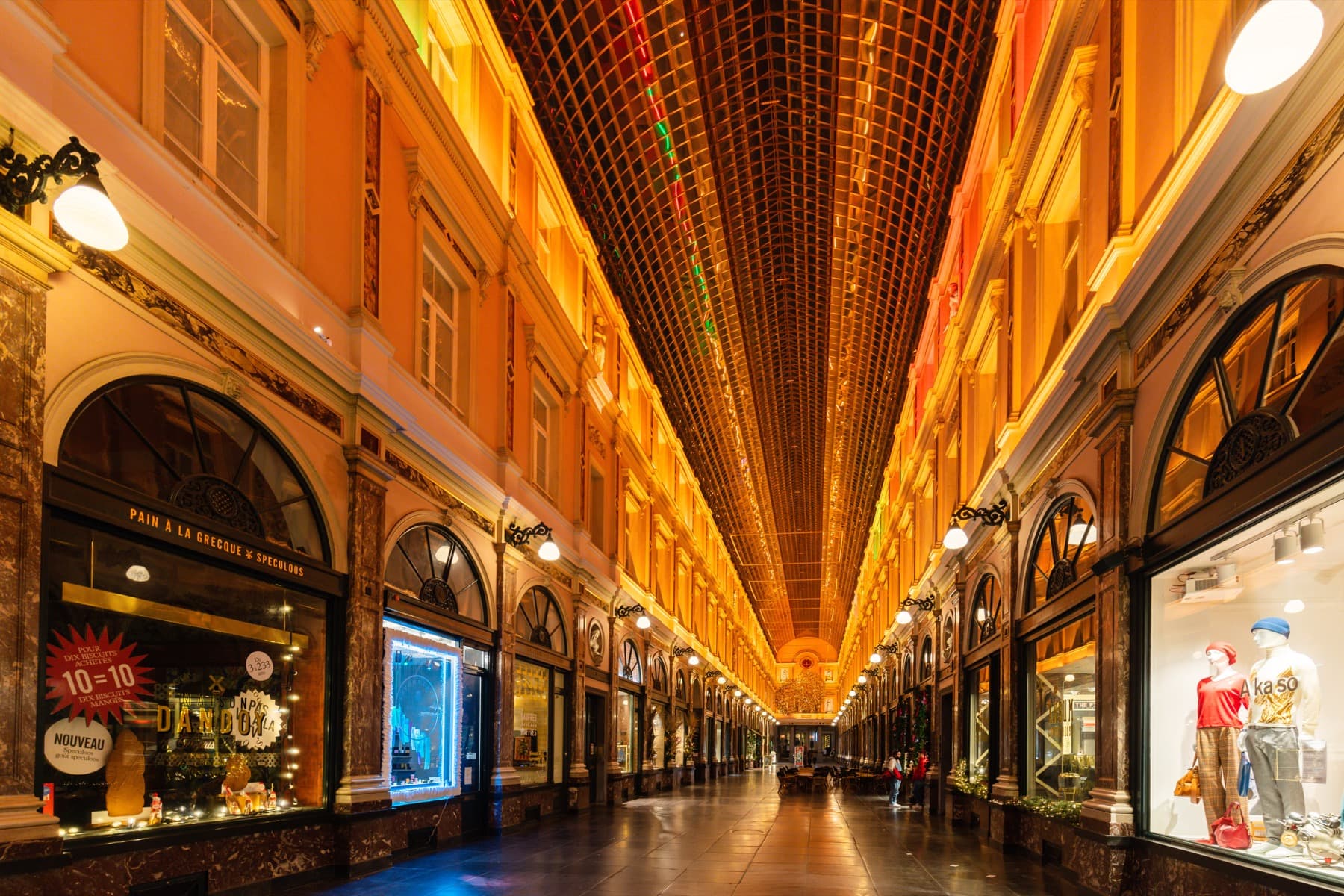
This is the easiest base for a first visit. You can walk to the Grand Place, Galeries Royales Saint-Hubert, Mont des Arts, the Cathedral, Manneken Pis, museums, bars, and Brussels-Central station. If you have only one or two nights, this area saves time.
The downside is tourist pressure. Restaurants closest to the Grand Place can be lazy, and some streets feel like they were designed by a committee of souvenir magnets. Stay here for convenience, but leave the immediate square for dinner.
Sainte-Catherine and Dansaert
Sainte-Catherine is one of the best first-timer bases if you want central access with better evenings. It has seafood history, restaurants, cafés, bars, design shops, and a more lived-in feel than the blocks directly around the Grand Place.
It is still walkable to the centre, but it feels less like sleeping inside the visitor funnel. For many travelers, this is the sweet spot.
Sablon and Louise
Sablon works well for travelers who want museums, antiques, chocolate shops, polished streets, and a calmer upscale base. You are near the Royal Museums of Fine Arts, Magritte Museum, Place Royale, and easy walks down toward the centre or Marolles.
Louise is more commercial and hotel-heavy. It can be useful for better rooms, shopping, and access to Saint-Gilles or Ixelles, but it is less atmospheric than Sablon.
Ixelles and Saint-Gilles
Ixelles and Saint-Gilles are better if you care about restaurants, cafés, bars, Art Nouveau streets, and a more local Brussels feel. They are not as instantly convenient for first-time sightseeing, but they give a better sense of the city people actually live in.
Choose these areas for a 3-day stay or if you have been to Europe before and do not need the Grand Place outside your hotel door.
European Quarter
The European Quarter is practical, clean, and quiet on weekends. It works for business travelers, families who want calmer hotels, or visitors focused on Parc du Cinquantenaire and EU institutions.
For a classic first Brussels trip, it can feel too detached at night. Stay here for a reason, not because it looked central-ish on a booking map.
Midi Station
Brussels-Midi is useful for Eurostar, Thalys/Eurostar continental trains, and fast departures. It is not my favourite first-timer base unless you have an early train or a specific hotel you trust. The area around the station is practical more than charming, and parts can feel rougher after dark.
Getting around Brussels without wasting time
Brussels is walkable in the centre, but the city is bigger and hillier than first-timers expect. The right move is simple: walk the old core, then use metro, tram, bus, and trains when the next area is no longer a pleasant stroll.
From Brussels Airport, the train is usually the easiest route into the city. Brussels Airport says direct trains run frequently to Brussels-North, Brussels-Central, and Brussels-South, with Brussels-Central around 18 minutes. Visit Brussels also notes a direct airport train roughly every 15 minutes, with the airport supplement included in airport rail pricing. For most first-timers staying near the centre, this is cleaner than a taxi.
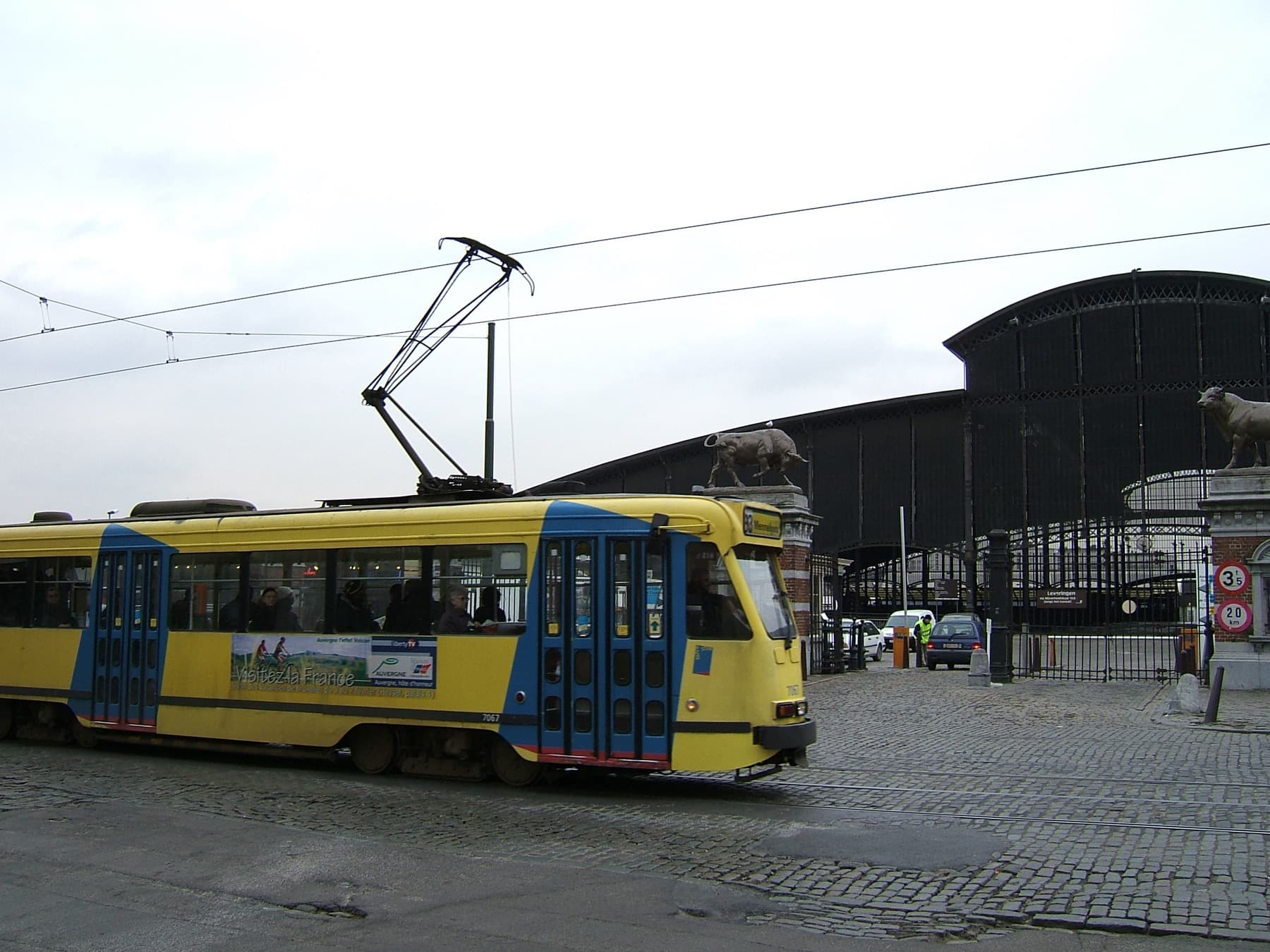
STIB/MIVB runs the metro, tram, and bus network. Contactless payment is useful for visitors: STIB says you can validate with a bank card or smart device, and the Airport Line bus 12 uses a special Airport2City fare when heading from the airport into Brussels. Bus 12 is most useful if you are staying near the European Quarter. For the Grand Place area, the train is usually simpler.
Inside Brussels, metro lines are fast for bigger hops, trams are good for neighbourhood movement, and buses fill the gaps. Brussels-Central is best for the historic centre, Brussels-Midi for international trains, and Brussels-North for some airport and regional connections.
Avoid driving in Brussels unless your wider trip truly requires a car. Traffic, parking, one-way streets, and the Low Emission Zone add friction. The Brussels LEZ applies to Belgian and foreign cars, vans, and minibuses, and the City of Brussels notes stricter vehicle bans from January 1, 2026. That is a lot of administrative garnish for a city with good trains.
Food and drink: how to eat well in Brussels
Brussels is excellent for eating and drinking if you stop making every decision within eyesight of the Grand Place. The city does waffles, fries, chocolate, beer, seafood, old brasseries, modern bistros, African food, and neighbourhood cafés. It also does tourist-trap menus with the dead-eyed efficiency of a printer.
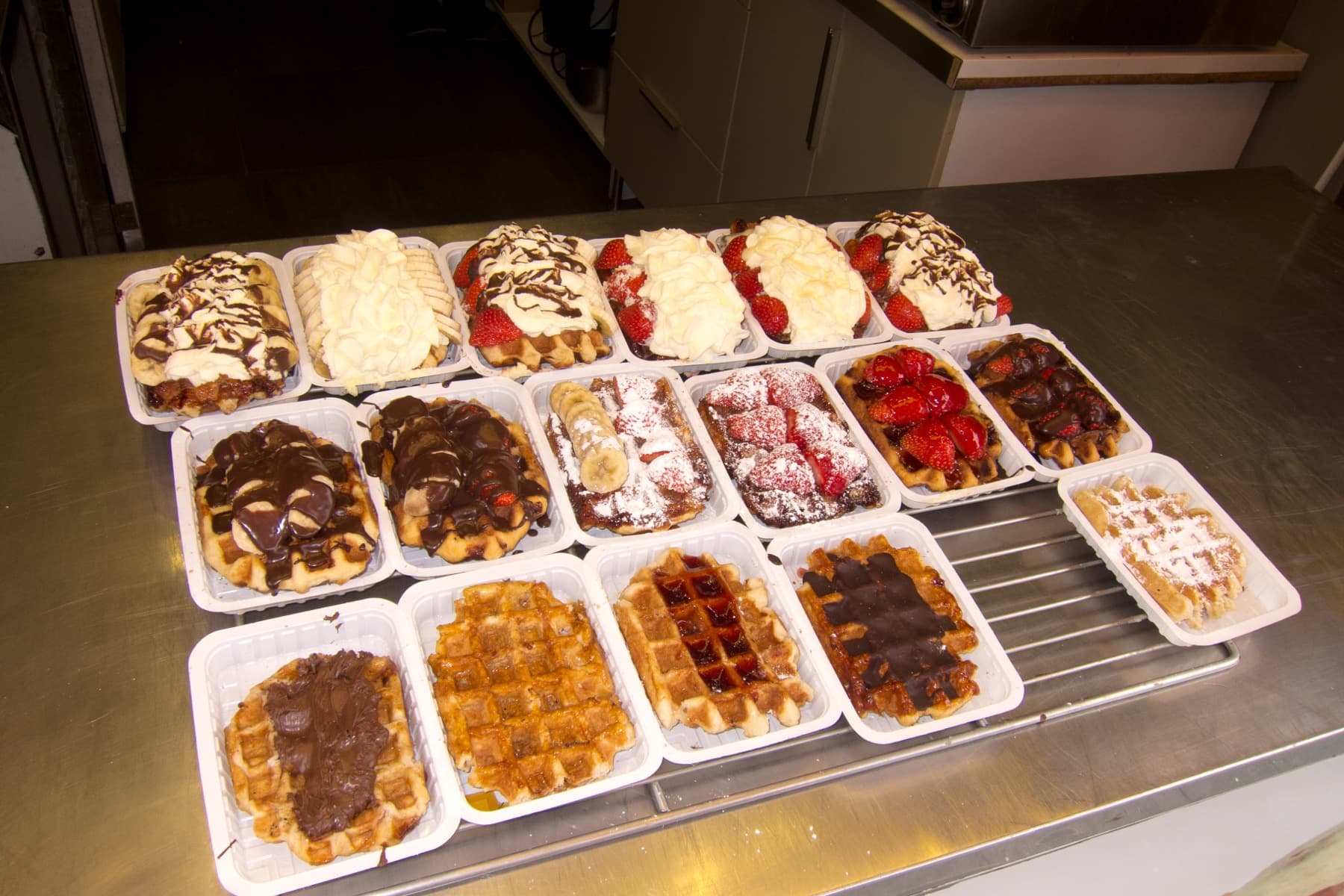
Start with the obvious things, because obvious is not automatically bad. Try a Brussels waffle, fries with sauce, pralines from a proper chocolatier, and a Belgian beer somewhere that cares about glassware more than neon. If you like classic brasseries, book ahead rather than drifting into whatever has the loudest menu board.
For seafood and lively dinners, Sainte-Catherine is a good first stop. For chocolate and polished browsing, Sablon makes sense. For better everyday restaurants and bars, look toward Ixelles, Saint-Gilles, and Dansaert. For tourist-central snacks, the area near the Galeries and Grand Place is fine if you are selective, but the closer a restaurant leans on laminated photos, the faster you should develop other plans.
Beer is a real part of the trip, not just a novelty. Brussels has historic cafés, lambic traditions, strong ales, and bars with serious lists. Pace yourself. Belgian beer can make normal vacation decisions get weirdly ambitious. One minute you are comparing saisons, the next you are buying a miniature Manneken Pis bottle opener because “it has cultural value.” It does not.
Best things to do on a first visit
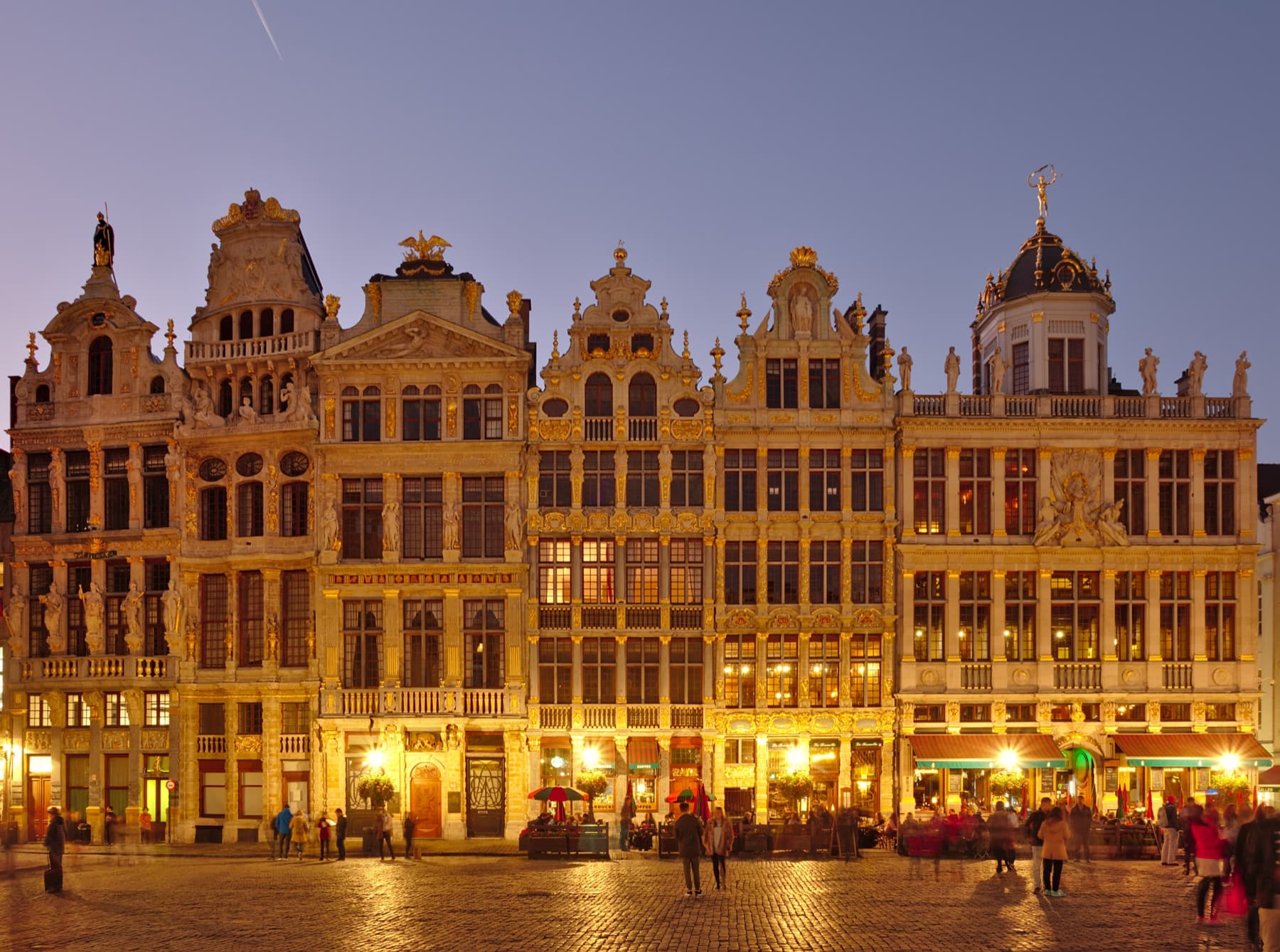
The **Grand Place** is the essential first stop. Go once during the day for the architecture and once at night when the buildings glow. It is one of Europe’s great squares, and even jaded travelers usually shut up for a minute when they walk in.
The **Galeries Royales Saint-Hubert** are also worth seeing, especially early or later when the arcade is less crowded. Use it as part of a central walk rather than a destination you over-plan.
The **Mont des Arts, Place Royale, and museum district** help Brussels feel more like a capital. The Magritte Museum and Royal Museums of Fine Arts are obvious choices if you like art. Musical Instruments Museum is a strong pick if you want something more specific and memorable.
**Sablon and Marolles** work well together. Sablon gives chocolate shops, antiques, and a polished square; Marolles gives flea-market energy around Place du Jeu de Balle and a more grounded feel. The elevator between the upper and lower city is useful, because Brussels loves making you earn your pastry.
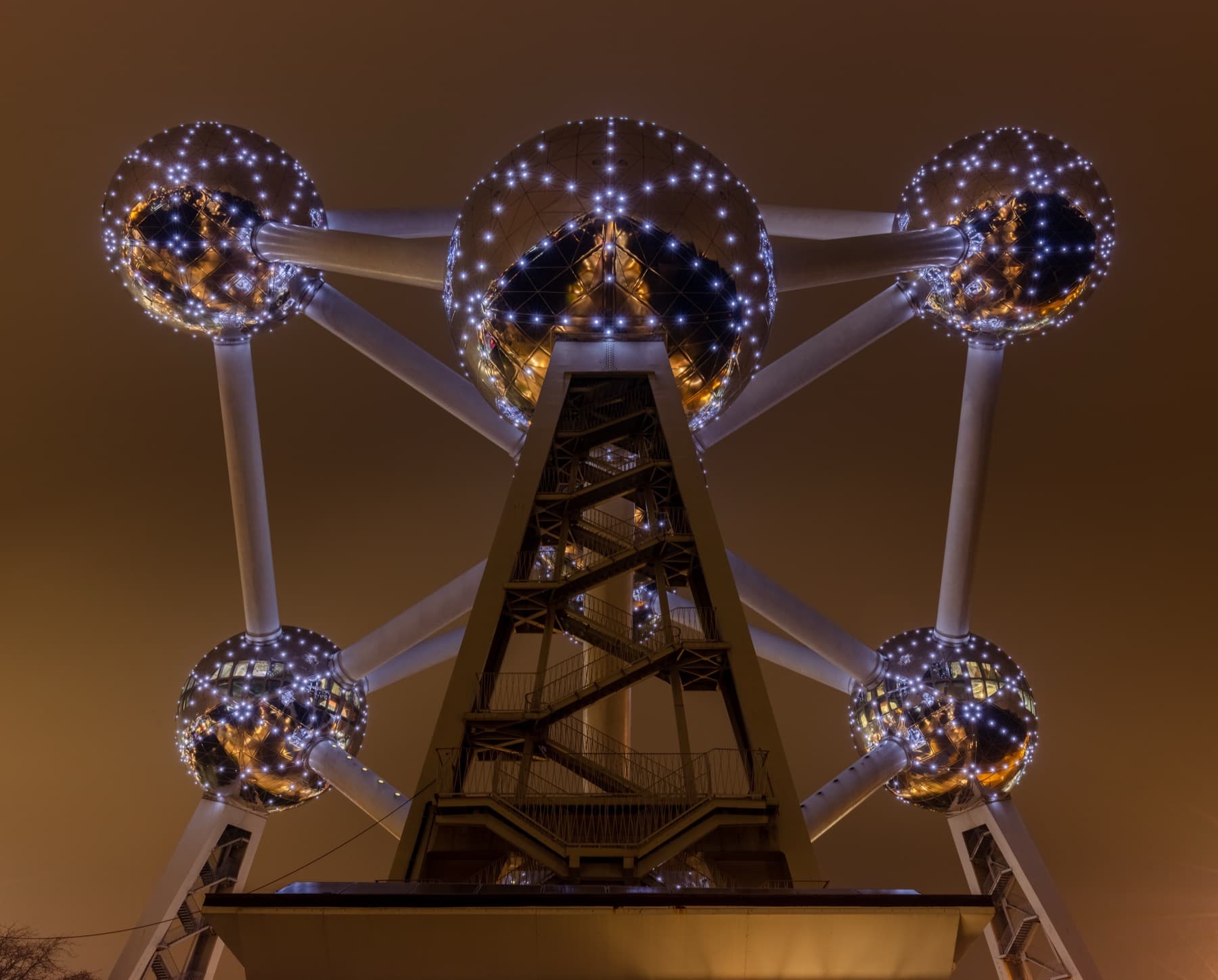
The **Atomium** is worth it if you like architecture, design, Expo history, or unusual city icons. It is outside the centre, so do not wedge it into a packed old-town day. Pair it with Mini-Europe if that appeals, or skip it if your trip is only two days and you care more about neighbourhoods and food.
The **European Quarter and Parc du Cinquantenaire** are useful for a different side of Brussels: grand avenues, EU buildings, museums, and a large park. It is not the romantic heart of the city, but it explains part of what Brussels is.
For a first visit, do not over-prioritize Manneken Pis. See it if you are nearby, laugh at how small it is, then move on. The statue is famous partly because tourism is absurd and we all agreed to keep the bit going.
A simple 3-day Brussels itinerary
Day 1: Grand Place, galleries, Sablon, and the museum quarter
Start at the Grand Place before the biggest crowds build. Walk through Galeries Royales Saint-Hubert, then move toward the Cathedral, Mont des Arts, Place Royale, and the museum district. If you like art, choose Magritte or the Royal Museums rather than trying to do every museum in one heroic blur.
In the afternoon, continue to Sablon for chocolate shops and a calmer square, then dip toward Marolles if you want flea-market texture and less polished streets. Finish dinner away from the Grand Place unless you have a specific booking.
Day 2: Sainte-Catherine, Dansaert, comics, beer, and central Brussels
Use the second day for central Brussels with better edges. Start around Sainte-Catherine and Dansaert, then fold in comic murals, cafés, shops, and old bars. This is a good day for the Belgian Comic Strip Center if that interests you, or for a slower food-focused day if museums are not your thing.
Return to the Grand Place at night for the lit buildings. It is touristy. It is also beautiful. Both things can be true, which is deeply inconvenient for people who like simple opinions.
Day 3: Atomium, Ixelles/Saint-Gilles, or a focused day trip
For a Brussels-only third day, choose Atomium in the morning, then spend the afternoon in Ixelles or Saint-Gilles for cafés, Art Nouveau streets, and dinner. If you want parks and institutions, choose Parc du Cinquantenaire and the European Quarter instead.
If Brussels is part of a broader Belgium trip, day 3 can become Bruges, Ghent, Antwerp, Leuven, or Mechelen by train. Just do not use day trips as an excuse to never actually visit Brussels beyond the central square.
Safety, money, and practical mistakes to avoid
Brussels is generally fine for visitors who use normal city awareness, but it is not a theme-park version of Europe. Petty theft is the main risk around busy stations, crowded transit, the Grand Place area, and tourist bottlenecks. Keep your phone and wallet controlled, especially on terraces and station platforms.
Be more cautious around Brussels-Midi late at night, especially if you are tired, carrying luggage, or trying to navigate after an international train. That does not mean panic. It means take the same practical approach you would in any large station district: know your route, avoid drifting, and use a taxi or ride if the situation feels awkward.
Card payment is common, but keep a little cash for small purchases, markets, toilets, or backup. Belgium uses the euro. Tipping is modest; round up or leave a little extra for good service rather than importing a full North American guilt spreadsheet.
Book restaurants if there is somewhere you care about. Check museum closing days. Wear shoes that handle cobbles, rain, and hills. Bring a light rain layer even if the forecast looks innocent; Brussels weather has the moral consistency of a politician.
If you drive, check the Brussels Low Emission Zone before entering. Foreign vehicles can be affected, and rules have changed over time. For most first-time visitors, the better advice is simpler: do not drive into Brussels at all.
How to use Brussels for day trips without shortchanging the city
Brussels is one of the best rail bases in Belgium. Bruges, Ghent, Antwerp, Leuven, and Mechelen are all realistic day trips, and international rail links make Brussels easy to combine with Paris, Amsterdam, London, Cologne, or Luxembourg.
That does not mean Brussels should only be a sleeping platform. If you have 3 nights, a good structure is 2 days in Brussels and 1 day trip. If you have 4 nights, do 2 days in Brussels and 2 day trips. If you have only 1 night, stay central, see the Grand Place at night, eat well, and accept that you sampled Brussels rather than understood it.
For first-timers choosing one Belgian day trip, **Ghent** is the best balance of beauty, energy, and less theme-park feeling. **Bruges** is gorgeous but more crowded and polished. **Antwerp** is better for fashion, design, art, and a bigger-city feel. **Leuven** and **Mechelen** are easier, smaller, and underrated if you want a lighter day.
The practical trick is to stay near Brussels-Central if day trips matter. It is close to the historic centre and useful for domestic rail connections. Brussels-Midi is better for international departures, but it is not where I would base a first leisure trip unless the train schedule forces your hand.
> **Quick answer block:** Brussels works best as a 2- or 3-day city break, or as a Belgium rail base with at least 2 real Brussels days. Use day trips carefully; otherwise you end up “visiting Brussels” mostly through station lighting and regret.
FAQ
How many days do you need in Brussels for a first visit?
Most first-time visitors need 2 full days in Brussels. Add a third day if you want Atomium, several museums, Ixelles or Saint-Gilles, and slower meals. Add more nights if Brussels is your base for Belgian day trips.
Is Brussels expensive?
Brussels is not cheap, but it is often better value than Paris, Amsterdam, or London. Hotels near peak dates and central restaurants can be pricey. Better food value appears quickly once you move toward Sainte-Catherine, Dansaert, Ixelles, Saint-Gilles, or neighbourhood spots away from the main tourist streets.
What is the best area to stay in Brussels for first-timers?
The Grand Place/Central Station area is best for convenience, Sainte-Catherine is best for central restaurants and evenings, Sablon is best for museums and a polished base, and Ixelles or Saint-Gilles are best for food, cafés, and local character.
Is Brussels easy to get around without a car?
Yes. Brussels is easy without a car. Walk the centre, use STIB/MIVB metro, tram, and bus for city movement, and use trains for airport transfers and day trips. A car is usually more trouble than it is worth.
Is Brussels safe at night?
Brussels is generally safe at night in busy central areas, but use normal big-city judgment. Watch for pickpockets, be practical around major stations late at night, and do not wander with luggage while trying to solve your hotel directions in public.
Let Fare Window find the best fares for your next trip.
Track routes, watch price changes, and get smarter alerts before you book.
Start tracking faresKeep planning
Related travel guides
Explore more first-time destination guides while you compare routes, seasons, and trip shapes.