Venice Travel Guide for First-Time Visitors
Plan your first Venice trip with practical advice on where to stay, getting around, food, things to do, access-fee basics, safety, timing, and a simple itinerary.
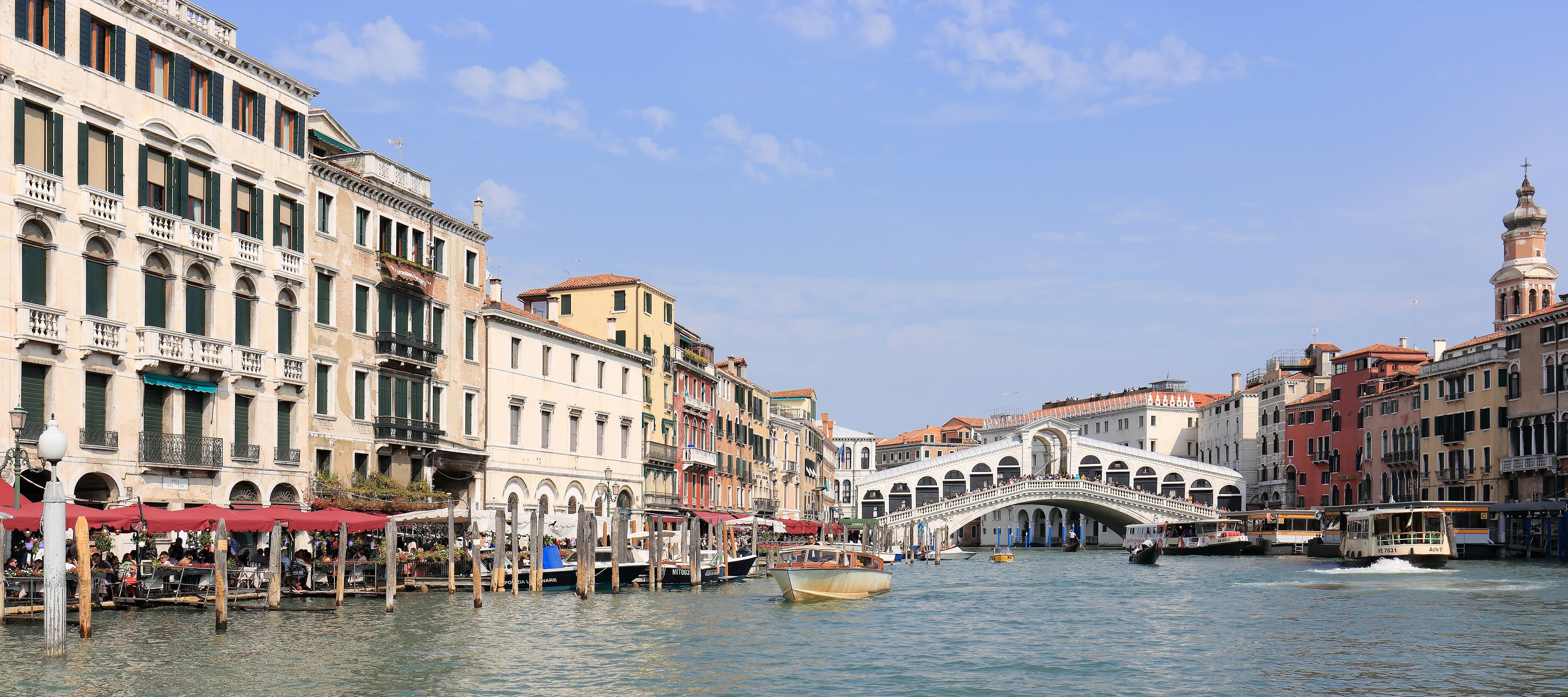
Venice is absolutely worth visiting once, but it rewards travelers who treat it like a fragile, lived-in island city instead of a floating theme park with better masonry. The best first Venice trip is 3 full days based in the historic city or very close to it, with early starts, smart vaporetto use, a hotel area chosen for your tolerance for crowds, and enough time to wander beyond the San Marco-to-Rialto conveyor belt.
This Venice travel guide is built for first-time visitors who want the big sights without turning the trip into a queue-management exercise. Venice is not hard, exactly. It is just unusual: no cars in the historic core, expensive water transport, bridges everywhere, hotel logistics that matter, and tourist pressure that can make the famous areas feel less romantic by midday.
**Quick answer:** Stay in Venice proper if the budget allows, especially San Polo, Dorsoduro, Cannaregio, Castello, or a quieter edge of San Marco. Use vaporetti selectively, walk more than you think, book St. Mark's Basilica and Doge's Palace ahead, eat cicchetti away from the busiest lanes, and plan one lagoon outing only if you have at least three full days.
Quick Facts
Table of Contents
- 1.Is Venice worth visiting for first-time travelers?
- 2.Best time to visit Venice
- 3.Where to stay in Venice
- 4.Getting around Venice without wasting money
- 5.Food and drink: how to eat well in Venice
- 6.Best things to do on a first visit
- 7.A simple 3-day Venice itinerary
- 8.Safety, crowds, access fees, and practical mistakes
- 9.How to time your Venice trip for better value
Quick facts for first-time visitors
- **Best for:** romantic city breaks, art and architecture, slow wandering, photography, lagoon history, churches, museums, and travelers who like unusual urban geography - **Less ideal for:** cheap city breaks, nightlife-first trips, easy stroller or wheelchair movement, car-based itineraries, and travelers who hate crowds near famous sights - **Best trip length:** 3 full days for a satisfying first visit; 2 days for highlights; 4 days if you want islands, museums, and slower evenings - **Best areas to stay:** San Polo, Dorsoduro, Cannaregio, Castello, quieter San Marco, Santa Croce, Giudecca, or Mestre only when budget beats atmosphere - **Getting around:** walk most short routes, use vaporetti for Grand Canal orientation and longer hops, and avoid luggage-heavy hotel routes with too many bridges - **Best time to visit:** April, May, early June, September, October, and early November; winter is atmospheric but damp, and Carnival changes prices and crowd levels - **Current practical note:** Venice's 2026 access fee applies on selected peak dates from 8:30 a.m. to 4 p.m. for many day visitors, with official details and exemptions handled through Venezia Unica - **First-timer mistake:** booking a cheaper mainland hotel without understanding that you are trading money for commute friction and losing the best early/late Venice hours
Table of contents
1. Is Venice worth visiting for first-time travelers? 2. Best time to visit Venice 3. Where to stay in Venice 4. Getting around Venice without wasting money 5. Food and drink: how to eat well in Venice 6. Best things to do on a first visit 7. A simple 3-day Venice itinerary 8. Safety, crowds, access fees, and practical mistakes 9. How to time your Venice trip for better value
Is Venice worth visiting for first-time travelers?
Yes, Venice is worth visiting for first-time travelers who want a place that feels genuinely different from other European cities. The city has no normal traffic in the historic center, no big boulevards, no easy grid, and no casual way to "just Uber there." That is the charm and the tax.
Venice is best when you slow down. St. Mark's Basilica, the Doge's Palace, Rialto, and the Grand Canal are the headline acts, but the city becomes more interesting in the spaces between them: Dorsoduro canals, Cannaregio evenings, Castello backstreets, quiet campos, and vaporetto rides where the whole city rearranges itself from the water.
The reason some people leave disappointed is not that Venice is overrated. It is that they visited it badly. A day trip in peak season, arriving with crowds and leaving before dinner, shows you the busiest version of the city and almost none of the softer one. Venice at 8 a.m. and Venice at 9 p.m. are different cities. The day-tripper version is the one that gets yelled about online.
> **Quick answer block:** Venice is best for first-time visitors who can stay overnight, walk patiently, pay for convenience where it matters, and build the trip around early mornings, evenings, and neighborhood wandering instead of only landmark ticking.
Best time to visit Venice
The best time to visit Venice for most first-timers is April, May, early June, September, October, or early November. These months usually give the best balance of weather, daylight, crowd control, and atmosphere.
July and August are the toughest months. They can work if that is your only window, but expect heat, crowds, high prices, and a city that feels more compressed than it already is. Venice has narrow lanes and limited open space; summer crowding does not just mean longer lines, it changes how pleasant basic movement feels.
Winter can be beautiful if you understand the tradeoff. December has lights and atmosphere, January can be quieter, and February brings Carnival energy plus higher prices around event dates. The downside is damp cold, shorter days, and a greater chance of acqua alta disruption. High water is usually temporary and localized, not a disaster movie, but it can affect routes, squares, and footwear decisions.
Spring and fall are the safer bet. Book earlier for weekends, holidays, Biennale periods, major events, and anything near Carnival. If your schedule is flexible, midweek shoulder-season dates often feel like the sweet spot: enough life in the city without being shoulder-to-shoulder on every bridge.
Where to stay in Venice
The best place to stay in Venice is not automatically beside St. Mark's Square. First-timers should choose a base by balancing arrival logistics, evening atmosphere, bridge count, restaurant quality, and how much crowd pressure they can tolerate.
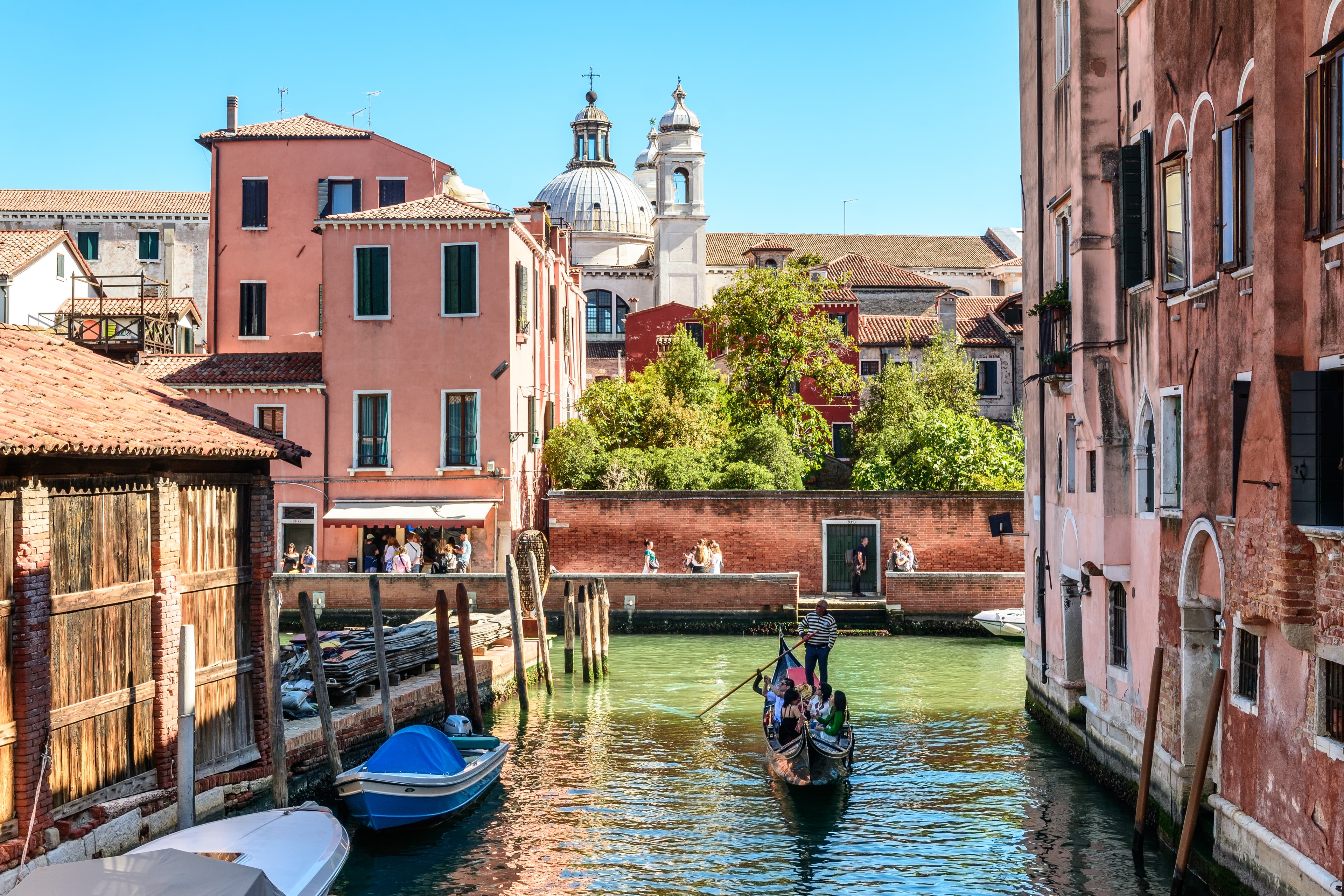
San Marco
San Marco is the most central and convenient area for major sights. If you want to step out near St. Mark's Basilica, the Doge's Palace, high-end hotels, and classic views, it works.
The tradeoff is price and crowding. Some streets are elegant and quiet; others feel like everyone from three cruise ships was poured through a funnel. Stay here if your hotel is on a calmer lane or if convenience matters more than neighborhood feel.
San Polo and Santa Croce
San Polo is one of the best first-timer compromises. You are close to Rialto, markets, the Grand Canal, and central walking routes without being locked into San Marco prices or pressure. Santa Croce can be practical if you arrive by train, bus, or car transfer through Piazzale Roma.
The downside is that not every pocket is equally charming. Check the exact location and bridge route from your arrival point.
Dorsoduro
Dorsoduro is one of the best areas for a first Venice trip if you want atmosphere with slightly more breathing room. It has the Accademia, Peggy Guggenheim Collection, Zattere waterfront, Campo Santa Margherita, and good evening wandering.
It is still central enough for sightseeing, but it feels less like you are sleeping inside a souvenir corridor. For many travelers, this is the smartest base.
Cannaregio
Cannaregio is a strong choice for travelers who want better value, local-feeling evenings, and easier train-station access. The area around the Jewish Ghetto and Fondamenta della Misericordia has good eating and drinking without the same San Marco crush.
The tradeoff is distance from some headline sights. That is not a problem if you like walking or understand vaporetto routes.
Castello
Castello is best if you want quieter streets and do not mind being a little farther from the central tourist spine. Western Castello still works well for first-timers; deeper Castello is better for return visitors or people who enjoy calm over convenience.
Giudecca and Mestre
Giudecca gives views, calm, and better value in some cases, but you are dependent on boats. Mestre is cheaper and practical for rail connections, but it is not Venice. Use Mestre when budget is the priority, not because someone told you it is "basically the same." It is not. That sentence has ruined vacations.
> **Quick answer block:** For most first-timers, Dorsoduro, San Polo, Cannaregio, and quieter San Marco are the best Venice bases. Mestre saves money, but staying in Venice proper gives you the early mornings and late evenings that make the city feel worth the trouble.
Getting around Venice without wasting money
Venice is easiest when you walk short distances and use vaporetti only when they save real time, avoid ugly luggage logistics, or give you a view you actually want. A single vaporetto ride is expensive enough that casual hopping gets silly fast.
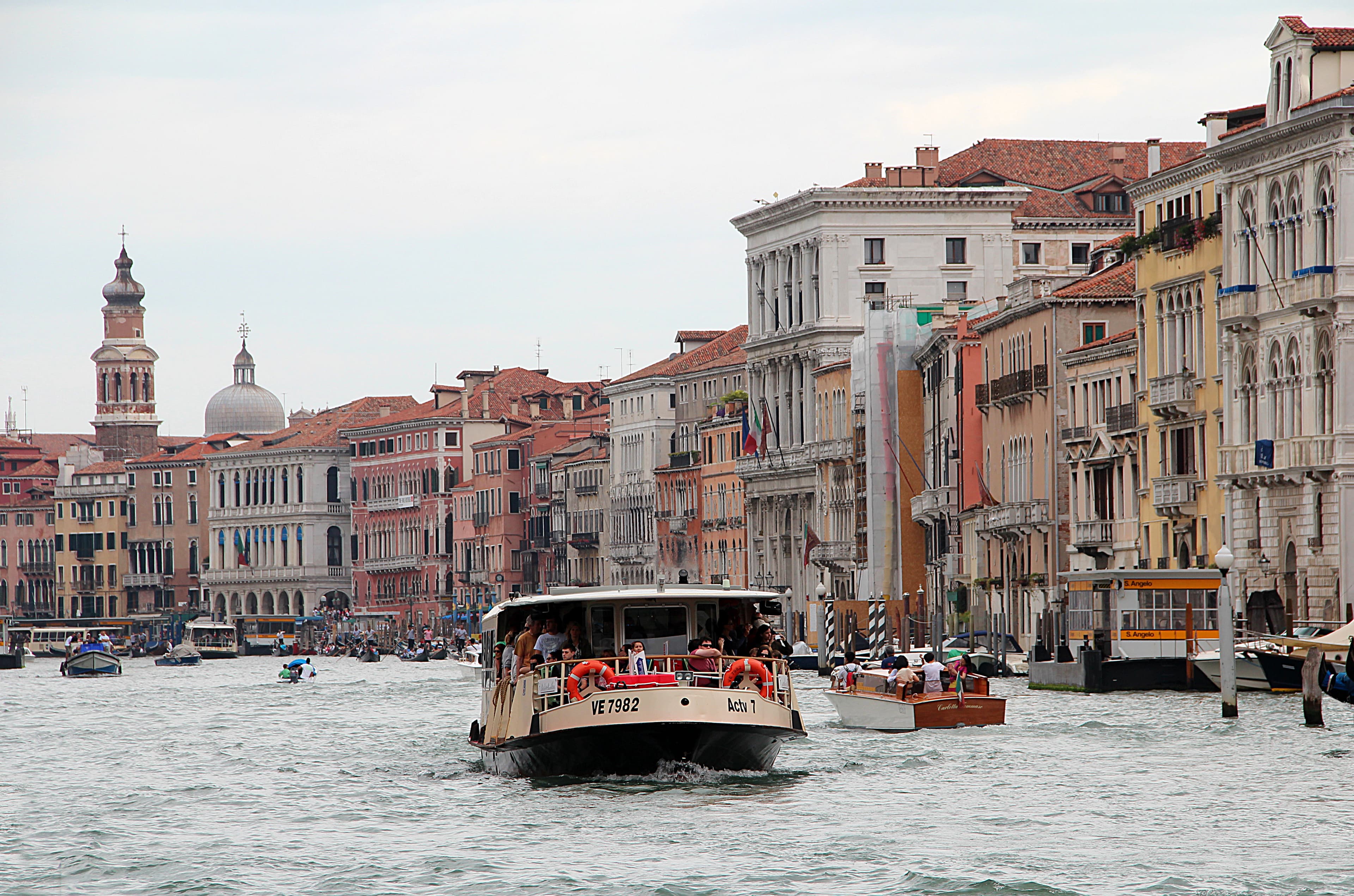
The best first vaporetto ride is usually **Line 1 along the Grand Canal**. It is slow, scenic, and useful for orientation. Treat it as a moving introduction to Venice: palaces, landing stages, bends in the canal, and the way the city faces the water more than the streets.
For everyday movement, walking is often faster than it looks. Venice maps lie in a special Venetian way: two points may look close, then a canal appears and your route becomes a small moral test. Still, walking is part of the experience, and the city is compact if you group your days properly.
Buy a transit pass only if you will use it enough. A 24-, 48-, or 72-hour ACTV pass can make sense if you are staying away from the core, visiting islands, riding the Grand Canal more than once, or using boats with luggage. If you are central and mostly walking, single rides may be enough, painful as the price is.
Arrival logistics matter. From Santa Lucia train station, many hotels are walkable, but bridge count matters with luggage. From Piazzale Roma, the same rule applies. From Marco Polo Airport, you can use Alilaguna boats, buses plus walking or vaporetto, or a private water taxi if budget allows. A water taxi is expensive, but after a long flight with bags it can feel less like luxury and more like buying your soul back.
Do not bring a car into the Venice fantasy. Cars stop at the edge of the lagoon world: Piazzale Roma or Tronchetto. Inside historic Venice, your transport network is feet, boats, bridges, and mild confusion.
Food and drink: how to eat well in Venice
The best Venice food strategy is to eat by area and timing, not by whatever restaurant is closest after you emerge hungry from a famous sight. The worst meals are usually found where exhausted visitors need food immediately and will forgive almost anything except walking five more minutes.
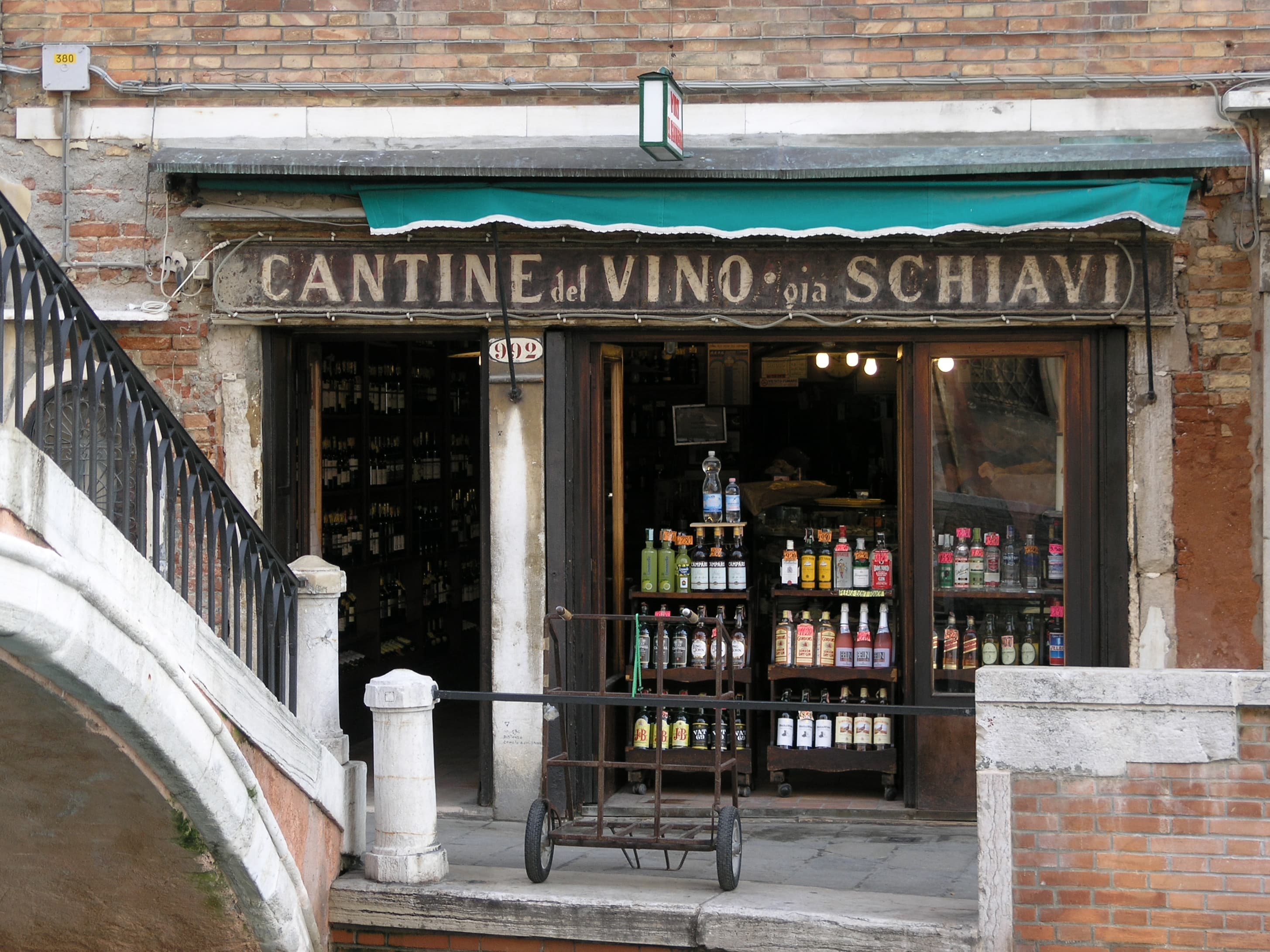
Start with **cicchetti**, Venice's small bar snacks, usually eaten with a glass of wine or spritz in a bacaro. Good cicchetti crawls work well in Cannaregio, San Polo, and parts of Dorsoduro. Do not expect every place to be magical. Some are excellent, some are tourist theater with toothpicks.
Seafood matters, but Venice is not the place to blindly order the cheapest seafood pasta beside a landmark. Look for seasonal lagoon ingredients, simple preparations, and menus that feel like they belong to the city rather than to a laminated global tourist script.
Rialto Market is useful for understanding Venice's food geography, especially if you go earlier in the day. Even if you are not cooking, it helps explain why fish, vegetables from the lagoon region, and morning rhythms matter here.
For meals, Cannaregio and Dorsoduro are usually easier than the blocks immediately around San Marco. San Polo can be good, but it also catches heavy traffic around Rialto. Castello has quieter options if you are willing to walk.
Coffee is usually a quick counter ritual, not a two-hour laptop camp. Spritz culture is real, but the best aperitivo is the one that fits your walking route and does not require a pilgrimage to the same bar as every listicle refugee in Europe.
> **Quick answer block:** Eat cicchetti in Cannaregio, San Polo, or Dorsoduro; be cautious around San Marco and Rialto when hungry; and build meals into neighborhood wandering instead of treating restaurants as isolated destinations.
Best things to do on a first visit
The best first Venice itinerary mixes the obvious sights with water perspective, quieter sestieri, and one lagoon decision. Do the classics, but do not spend the whole trip being processed by the same five photo spots as everyone else.
**St. Mark's Basilica** is essential. Book ahead when possible, go early or later, and consider the museum/loggia or Pala d'Oro if you care about detail rather than just stepping inside. The basilica is not just famous; it is strange, layered, and unlike most churches first-time visitors have seen.
**The Doge's Palace** is the other major San Marco anchor. It is worth doing if you like history, art, politics, prisons, and the machinery of a maritime republic. Pair it with the basilica, but avoid stacking too many indoor timed sights in one day.
**Rialto and the Grand Canal** matter, but use them as orientation, not your whole Venice personality. Cross Rialto, see the market area, ride the Grand Canal, then move on.
**Dorsoduro** is ideal for a softer Venice day: Accademia, the Peggy Guggenheim Collection, Zattere, and Campo Santa Margherita. This is where the city feels less crushed and more usable.
**Cannaregio** is excellent for evening wandering, cicchetti, the Jewish Ghetto, and a break from the most compressed tourist lanes. If someone says Venice is only crowds, ask where they went after 6 p.m. The answer is usually "back to the train."
**Castello** gives you quieter streets, local texture, and access toward the Arsenale and Biennale areas. It is especially useful if you want to see Venice breathe a little.
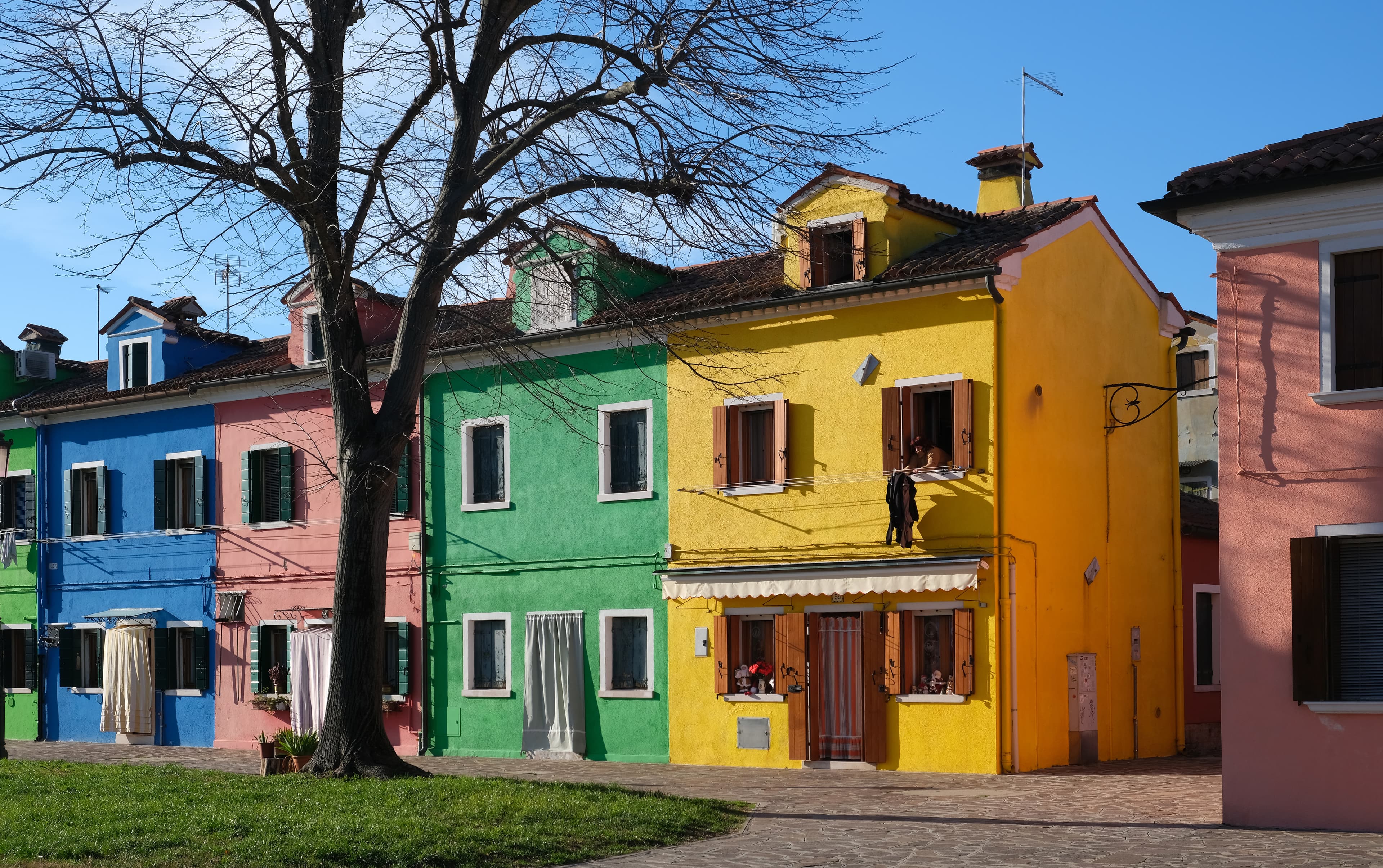
**Burano, Murano, and Torcello** are the classic island choices. Murano is convenient for glass; Burano is more visually distinctive; Torcello is quiet and historical. Do not try to force all three into a short trip unless you are happy spending much of the day in transit.
A simple 3-day Venice itinerary
A good 3-day Venice itinerary should protect the best hours of the day and avoid pointless backtracking. Venice punishes sloppy routing with bridges, crowds, and expensive boat rides.
Day 1: San Marco, Rialto, and the Grand Canal
Start early at St. Mark's Square before the day-trip wave fully arrives. Visit St. Mark's Basilica and the Doge's Palace if both are priorities, but book timed entries and leave breathing room between them.
Walk toward Rialto and the market area, then use a vaporetto ride on the Grand Canal as orientation rather than just transport. End the day with dinner away from the busiest San Marco lanes, ideally in San Polo, Dorsoduro, or Cannaregio.
Day 2: Dorsoduro, San Polo, and Cannaregio
Spend the morning in Dorsoduro: Accademia area, Peggy Guggenheim if you like modern art, Zattere for waterfront walking, and Campo Santa Margherita for a more lived-in pause.
Use the afternoon for San Polo and Rialto side streets, then continue into Cannaregio for the Jewish Ghetto, Fondamenta della Misericordia, cicchetti, and a calmer evening. This day is the antidote to the idea that Venice is only San Marco with elbows.
Day 3: Castello or the lagoon islands
If you want to stay in Venice proper, use day 3 for Castello, the Arsenale area, quieter churches, and a slower final wander. This is the better choice if your first two days felt rushed.
If you want a lagoon day, choose Murano and Burano, or Burano and Torcello if you care more about atmosphere than glass shopping. Start early, check boat routes, and accept that island trips take real time. Venice is not improved by pretending boat schedules are decorative suggestions.
Safety, crowds, access fees, and practical mistakes
Venice is generally safe for first-time visitors, but crowds, pickpocketing, slick surfaces, luggage logistics, and rules around visitor behavior are the things to watch. The city is not dangerous in the dramatic sense. It is dangerous in the "your suitcase and four bridges are now in a committed relationship" sense.
Watch bags around Rialto, San Marco, packed vaporetti, train-station approaches, and busy lanes. Use normal city awareness: zipped bags, no wallet in back pockets, and no phone left loose on cafe tables.
Check official Venice access-fee rules if you are entering as a day visitor on selected peak dates. For 2026, the fee applies on specific dates from 8:30 a.m. to 4 p.m.; overnight guests and other categories may be exempt but may still need to understand the official process. Use Venezia Unica or the official access-fee site, not a random reseller with the design instincts of a parking ticket.
Respect local rules: do not swim in canals, picnic on monuments, block bridges for photos, feed birds, or drag luggage through the city at midnight like a percussion instrument with wheels. Venice is beautiful, but it is also a place where people live, work, and try to get through narrow lanes without becoming part of your proposal video.
For acqua alta, check official tide forecasts if visiting in fall or winter. Most high-water events are temporary, and raised walkways or route changes may handle the problem. Waterproof footwear can help in shoulder/winter months, but do not overpack like you are joining a naval expedition.
How to time your Venice trip for better value
For better Venice value, avoid peak summer, Carnival dates unless Carnival is the point, major event periods, and last-minute weekend hotel searches. Venice is small, demand is intense, and the best-value rooms disappear early.
The biggest value decision is where you sleep. Staying in Venice proper costs more, but it buys early mornings, late evenings, and less commute friction. Staying in Mestre can make sense on a tight budget, especially for rail-based Italy trips, but you are choosing a different experience. Be honest about that tradeoff.
Flights can work through Venice Marco Polo, Treviso for some low-cost routes, or nearby Italian hubs with rail connections. If Venice is part of a larger Italy trip, open-jaw routing can save time: into Venice and out of Rome, Milan, or Florence/Pisa depending on the itinerary.
Book timed sights ahead for high-demand periods. Book hotels earlier for spring, fall, Carnival, summer weekends, and Biennale-heavy periods. For restaurants, reserve the places you care about, but leave room for bacari and casual stops. Venice punishes overplanning almost as much as underplanning.
> **Quick answer block:** The best-value Venice trip is usually a shoulder-season, midweek stay of 3 nights in Venice proper or a practical nearby base, with booked major sights, selective vaporetto use, and meals planned by neighborhood rather than panic.
FAQ
How many days do you need in Venice for a first visit?
Most first-time visitors need 3 full days in Venice. Two days can cover St. Mark's, Rialto, the Grand Canal, and a little wandering, but 3 days lets you add Dorsoduro, Cannaregio, Castello, or a lagoon island without turning the trip into a forced march.
Is Venice expensive?
Venice is expensive by Italian city-break standards, especially for central hotels, water transport, and restaurants near major sights. You can control costs by staying in Cannaregio, Dorsoduro, San Polo, Santa Croce, Giudecca, or Mestre, walking more, and eating away from San Marco and Rialto pressure zones.
Should first-time visitors stay in Venice or Mestre?
Stay in Venice proper if you can afford it. Mestre is cheaper and practical, but it costs you the best early and late hours. Mestre is a budget solution, not a Venice atmosphere solution.
Is Venice easy to walk around?
Venice is walkable but not always easy. Expect bridges, stairs, narrow lanes, confusing routes, slick stone in wet weather, and luggage friction. Good shoes matter more here than in most city breaks.
Do you need to book Venice attractions ahead?
Book St. Mark's Basilica, the Doge's Palace, special tours, and popular museum visits ahead in busy periods. Even when tickets are available, timed planning helps you avoid wasting the best daylight standing in lines.
Let Fare Window find the best fares for your next trip.
Track routes, watch price changes, and get smarter alerts before you book.
Start tracking faresKeep planning
Related travel guides
Explore more first-time destination guides while you compare routes, seasons, and trip shapes.