Naples Travel Guide for First-Time Visitors
Plan your first Naples trip with practical advice on where to stay, getting around, food, things to do, safety, timing, Pompeii, and a simple itinerary.
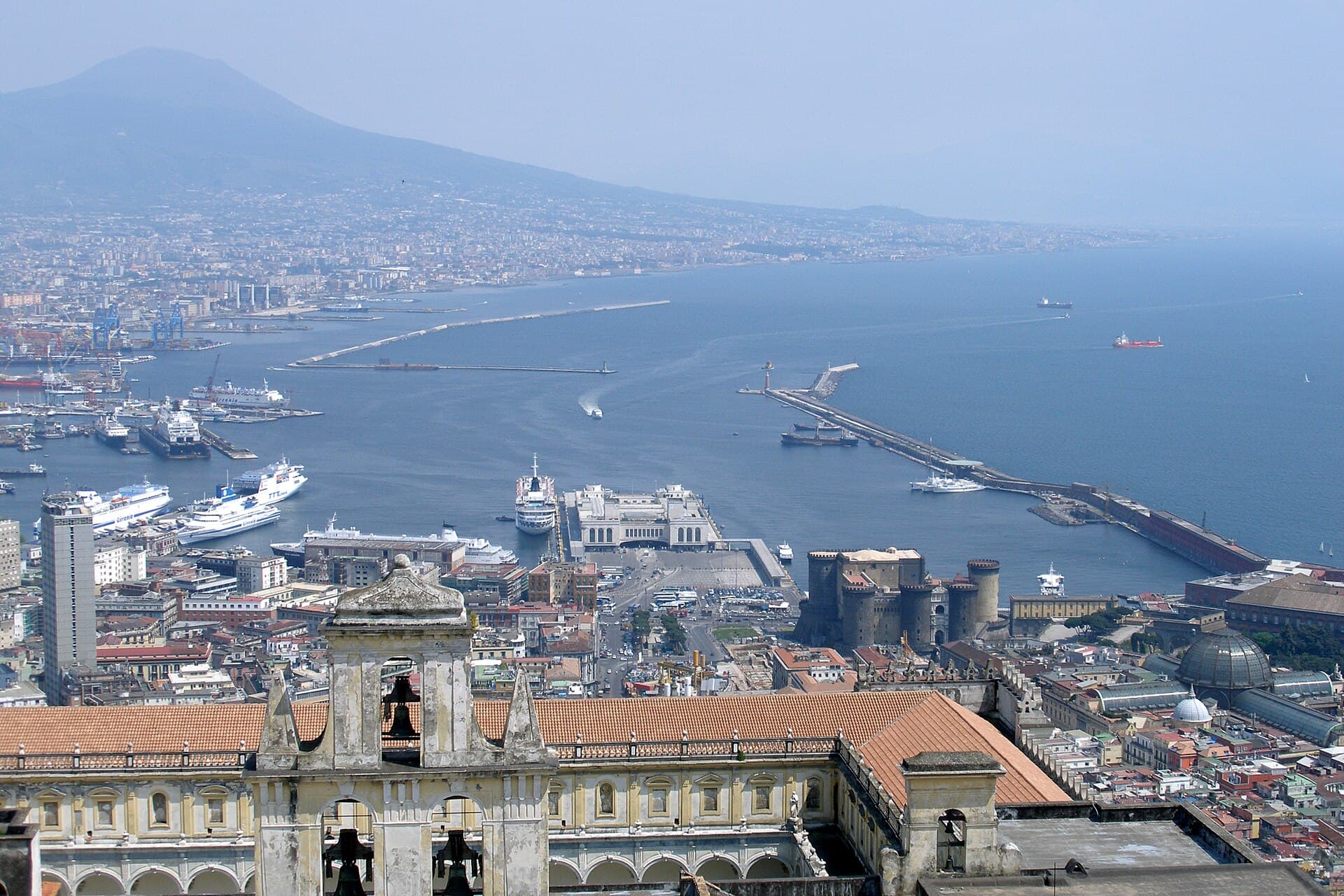
Naples is one of Italy's most rewarding first trips if you want food, history, street life, coastal views, and easy access to Pompeii without paying polished-resort prices. It is also one of the easiest Italian cities to misread. Naples is not tidy, quiet, or especially interested in smoothing every edge for visitors. That is part of the point, and part of the work.
The best first Naples trip is 3 full days based in a neighborhood that matches your tolerance for noise and grit: Centro Storico if you want the full historic-core plunge, Chiaia or Santa Lucia if you want easier evenings and waterfront calm, Vomero if you want views and a cleaner residential base, or the station area only when logistics matter more than atmosphere.
**Quick answer:** Naples is best for first-time visitors who care about food, archaeology, street energy, and day trips more than polished elegance. Stay in Chiaia, Santa Lucia, Vomero, or a well-chosen edge of Centro Storico; use metro Line 1, funiculars, walking, ferries, and the Circumvesuviana selectively; book Pompeii, Herculaneum, or the Archaeological Museum into the plan; and keep normal big-city awareness around stations, packed streets, and late-night quiet lanes.
Quick Facts
Table of Contents
- 1.Is Naples worth visiting for first-time travelers?
- 2.Best time to visit Naples
- 3.Where to stay in Naples
- 4.Getting around Naples without making it harder than it is
- 5.Food and drink: how to eat well in Naples
- 6.Best things to do on a first visit
- 7.A simple 3-day Naples itinerary
- 8.Safety, scams, and practical mistakes to avoid
- 9.How to time your Naples trip for better value
Quick facts for first-time visitors
- **Best for:** pizza and street food, archaeology, dramatic urban scenery, low-polish city energy, coastal day trips, museums, and travelers who like cities with a pulse - **Less ideal for:** travelers who want spotless streets, resort calm, easy driving, stroller-smooth sidewalks, or a gentle first Italy introduction - **Best trip length:** 3 full days for Naples plus one major archaeology day; 4 to 5 days if you want islands, the Amalfi Coast, or slower food-focused wandering - **Best areas to stay:** Chiaia, Santa Lucia, Vomero, Centro Storico/Decumani, or a carefully chosen Spanish Quarter edge; near Napoli Centrale only for early trains or budget logistics - **Getting around:** walk short central routes, use metro Line 1 and funiculars for hills, Alibus for airport-city links, Circumvesuviana/EAV trains for Pompeii and Herculaneum, and ferries for islands or coastal trips - **Best time to visit:** April, May, early June, September, October, and early November; summer works but heat, crowds, and day-trip pressure make pacing harder - **Food reality:** Naples is a food city, but famous pizza queues are not automatically the best use of limited trip time - **First-timer mistake:** treating Naples as only a base for Pompeii or the Amalfi Coast instead of giving the city itself at least one serious day
Table of contents
1. Is Naples worth visiting for first-time travelers? 2. Best time to visit Naples 3. Where to stay in Naples 4. Getting around Naples without making it harder than it is 5. Food and drink: how to eat well in Naples 6. Best things to do on a first visit 7. A simple 3-day Naples itinerary 8. Safety, scams, and practical mistakes to avoid 9. How to time your Naples trip for better value
Is Naples worth visiting for first-time travelers?
Yes, Naples is worth visiting if you want Italy with less varnish and more voltage. It gives you world-class archaeology, one of Europe's great historic centers, serious food, a working port, chaotic streets, a bay with Vesuvius in the background, and day-trip access to Pompeii, Herculaneum, Capri, Ischia, Procida, and the Amalfi Coast.
The catch is that Naples asks more from the visitor than Florence or Venice. You need to accept noise, uneven sidewalks, graffiti, scooters, crowded lanes, and a kind of civic messiness that can feel thrilling or exhausting depending on your mood. The city is not unsafe in the dramatic way nervous travel forums sometimes imply, but it is not frictionless either.
Naples is strongest for travelers who like walking, eating, museums, street photography, and layered history. It is weaker for travelers who want a soft landing, luxury shopping as the main event, quiet streets at night, or every restaurant and transit step to feel obvious.
Do not visit Naples only as a place to sleep before Pompeii. That is like buying a record player and using it as a coaster. The city deserves at least one full day, and it gets much better when you understand which neighborhoods are for staying, which are for eating, and which are best visited in daylight with a plan.
> **Quick answer block:** Naples is best for first-time visitors who want food, archaeology, street life, and day-trip access, and who can handle a city that feels intense before it feels easy.
Best time to visit Naples
The best time to visit Naples for most first-time travelers is April, May, early June, September, October, or early November. These months usually give you comfortable walking weather, better museum-and-street pacing, and easier day trips than peak summer.
July and August are possible, but they are not Naples at its easiest. Heat builds in the historic center, the station and ferry areas feel more tiring, and day trips to Pompeii or the Amalfi Coast can become a crowd-and-sun endurance test. If summer is your only window, start early, book the archaeological sites carefully, use afternoon breaks, and do not pretend Pompeii at midday is a personality-building exercise anyone asked for.
Winter can be a good value period if you care more about food, museums, and street atmosphere than beachy weather. December has holiday energy; January and February are quieter. The tradeoff is shorter daylight, more rain risk, and less appeal for islands or coastal days.
Spring and fall are the safer first-trip answer. They let you walk the historic core, visit Pompeii or Herculaneum without melting, ride ferries with fewer schedule and weather headaches, and enjoy evenings around Chiaia, Santa Lucia, or the Centro Storico without summer's full pressure.
Where to stay in Naples
The best area to stay in Naples depends less on distance to one landmark and more on your preferred version of the city. Naples is compact in places, but the feeling changes sharply between the historic core, waterfront, hill neighborhoods, station zone, and Spanish Quarter.
Centro Storico and the Decumani
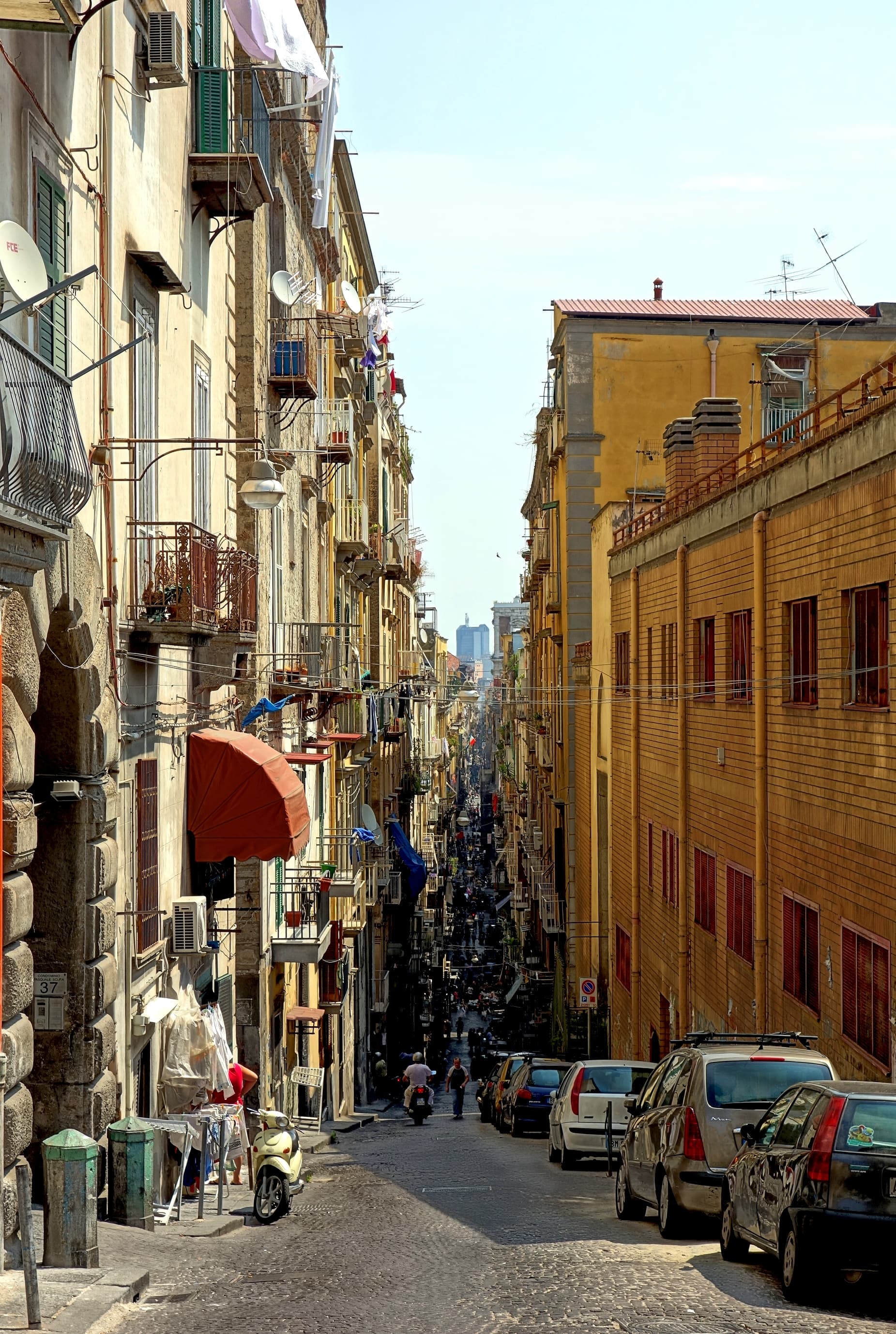
Centro Storico is the best base if you want the classic Naples plunge. Around Spaccanapoli, Via dei Tribunali, San Gregorio Armeno, Santa Chiara, and the Duomo, you are surrounded by churches, street food, pizza, small museums, courtyards, scooters, and dense historic texture.
The upside is atmosphere and convenience. The downside is noise, crowds, rough edges, and the need to choose accommodation carefully. A charming lane at 3 p.m. may become loud at midnight. Stay here if you want the energy. Do not stay here if you want Naples to apologize for itself.
Chiaia
Chiaia is one of the best first-timer bases for travelers who want Naples with softer edges. It has better evening strolling, restaurants, bars, shopping, and access toward the waterfront. It is more polished than the historic core but still connected enough for sightseeing.
The tradeoff is that it is less instantly "old Naples" than the Decumani. For many first-timers, that is a feature. You can visit the intensity during the day and sleep somewhere that does not sound like a scooter convention.
Santa Lucia and the waterfront
Santa Lucia and the Lungomare area work well if you want bay views, easier walking by the water, hotels with a calmer feel, and access toward the port. This is a good base for couples, older travelers, or anyone who wants a gentler first impression.
The tradeoff is that you will commute or walk into the historic core for much of the food and sightseeing action. That is fine if you like separating daytime chaos from evening calm.
Vomero
Vomero is a smart choice if you want a residential base, views, cleaner streets, and access by funicular down toward the center. It is good for travelers who want to sleep well, eat locally, and look down at the bay before diving back into the city.
The downside is hill logistics. You will rely on funiculars, metro, taxis, or longer walks. It is not the most convenient base for late-night historic-core wandering.
Quartieri Spagnoli
The Spanish Quarter is more visitor-friendly than its old reputation suggests, and it can be lively, central, and good for food. But it is also dense, steep in parts, loud, and not everyone's ideal first-night landing.
Stay on a well-reviewed edge near Via Toledo if you want central energy. Avoid booking deep inside a confusing lane network just because the room is cheap and the photos were taken by someone with aggressive optimism.
Napoli Centrale / Piazza Garibaldi
The station area is practical for early trains, airport buses, Pompeii connections, and tight budgets. It is not where I would send most first-time visitors for atmosphere. Around big stations, Naples feels more transactional, and late-night wandering is less pleasant.
Use this area when logistics are the priority. If Naples is the main trip, Chiaia, Santa Lucia, Vomero, or a good historic-core address usually gives a better first experience.
> **Quick answer block:** For most first-time visitors, Chiaia and Santa Lucia are the easiest Naples bases, Centro Storico is the most atmospheric, Vomero is the calmest practical hill base, and the station area is mainly for logistics.
Getting around Naples without making it harder than it is
Naples is easier when you mix walking with public transport instead of trying to force one method onto every day. The city is layered vertically and horizontally: sea level, old streets, hill neighborhoods, port, station, archaeology routes, and ferry routes all behave differently.

Walk inside the historic core. The Decumani, Spaccanapoli, Via dei Tribunali, San Gregorio Armeno, Santa Chiara, the Duomo, and many food stops are best handled on foot. Just accept that Naples walking involves broken pavement, scooters, narrow lanes, and constant little negotiations for space.
Use **Metro Line 1** for longer city movement. Toledo, Municipio, Dante, Museo, and Garibaldi are especially useful for visitors. Museo connects well for the National Archaeological Museum, while Toledo and Municipio help with Chiaia/waterfront/port movement.
Use **funiculars** for Vomero. They are one of the smartest ways to handle Naples' hills without turning every route into a calf workout.
For airport transfers, **Alibus** links Naples airport with the central station and port area, while taxis can make sense if you have luggage, arrive late, or are staying somewhere awkward. Use official taxis and agree to the official fixed fare when applicable rather than improvising after a long flight.
For Pompeii and Herculaneum, the **Circumvesuviana/EAV train** is useful but basic. It can be crowded, hot, and rough around the edges, but it does the job. For Pompeii, look for Pompeii Scavi-Villa dei Misteri; for Herculaneum, Ercolano Scavi. Keep your bag controlled and do not expect a sleek airport express. It is commuter rail with ruins at the end.
For Capri, Ischia, Procida, Sorrento, and some coastal routes, ferries and hydrofoils are part of the Naples travel logic. Check current schedules and weather, especially outside peak season. Ferry days should not be stacked after a late night unless your holiday brand is "tired near water."
Driving in Naples is a bad first-timer idea unless you have a very specific reason. Parking, ZTL areas, scooters, narrow streets, and local driving style make it more liability than freedom. Use trains, ferries, taxis, and your feet.
Food and drink: how to eat well in Naples
Naples is one of the best food cities in Italy, but the trick is to eat like the city is a set of neighborhoods and rhythms, not a trophy list of famous names. Pizza matters, obviously. So do fried snacks, pastries, espresso, seafood, pasta, markets, and the ability to walk away from a queue when hunger turns into a legal emergency.
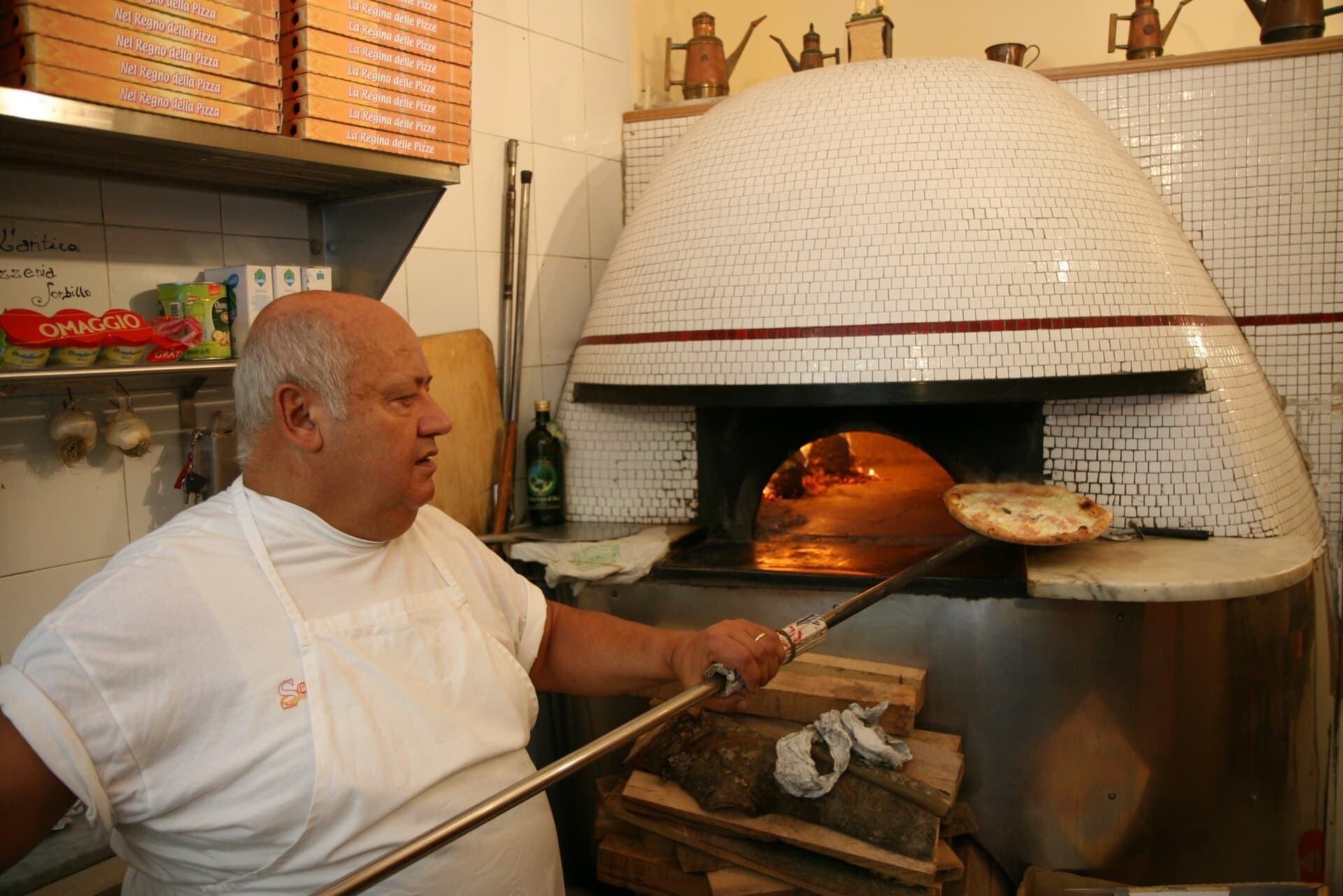
Start with pizza, but do not let pizza become the entire itinerary. Classic Neapolitan pizza is soft, blistered, quick, and usually simpler than the international versions built to survive delivery apps. If you want a famous place, go early, expect a wait, and have a backup nearby. Naples has too much good food to spend half a day proving you can queue.
Try **pizza fritta**, **cuoppo** fried seafood or snacks, **sfogliatella**, **babà**, strong espresso, seafood pasta, ragù, and simple trattoria cooking. Via dei Tribunali and the historic core are obvious food zones, but Chiaia, Vomero, and the Spanish Quarter can make evening meals easier.
Coffee is fast. Naples espresso culture is not about camping with a laptop for two hours. Step in, drink, move on, feel briefly invincible, then remember you still have to cross the street.
For sweets, compare sfogliatella riccia and frolla if you care about pastry texture. One is crisp and layered; the other is softer. This is the kind of research civilization was built for.
Be careful around the most heavily touristed lanes when you are starving. That is where average food becomes irresistible because your standards have collapsed into "nearby and open." Build meals into your neighborhood plan. Eat before you are desperate.
> **Quick answer block:** In Naples, eat pizza, but do not only eat pizza. Use the historic core for classic street food and pizzerias, Chiaia or Vomero for easier evenings, and always have a backup if a famous queue gets stupid.
Best things to do on a first visit
The best first Naples itinerary should combine the historic center, one major archaeology anchor, a waterfront or viewpoint, and enough food wandering to let the city do what it does best.
**Centro Storico and Spaccanapoli** should be your first orientation walk. This is where Naples feels oldest and most alive: churches, courtyards, shrines, street vendors, scooters, and deep urban texture. Santa Chiara, the Duomo, San Gregorio Armeno, and Via dei Tribunali fit naturally into this day.
**Cappella Sansevero** is worth booking ahead if the Veiled Christ is a priority. It is small, famous, and not something to leave to a casual walk-up in busy periods.
**The National Archaeological Museum** is one of Naples' strongest sights, especially if you are visiting Pompeii or Herculaneum. It gives context to the ruins and holds major finds that make the day trips feel less like wandering through stone rooms without the missing furniture.
**Naples Underground or the Bourbon Tunnel** can be worthwhile if you want the layered-city story: Greek, Roman, wartime, and modern Naples stacked under your feet. Choose one underground experience; do not turn the trip into a basement festival.
**The waterfront, Castel dell'Ovo area, and Lungomare** give you the breathing room Naples sometimes withholds. Even if access to individual sights changes, the walk itself helps reset the trip: bay views, Vesuvius, sea air, and the reminder that Naples is not only crowded lanes.
**Vomero and Castel Sant'Elmo** are useful for views and orientation. Go up by funicular, look across the city, and suddenly the whole messy map makes more sense.
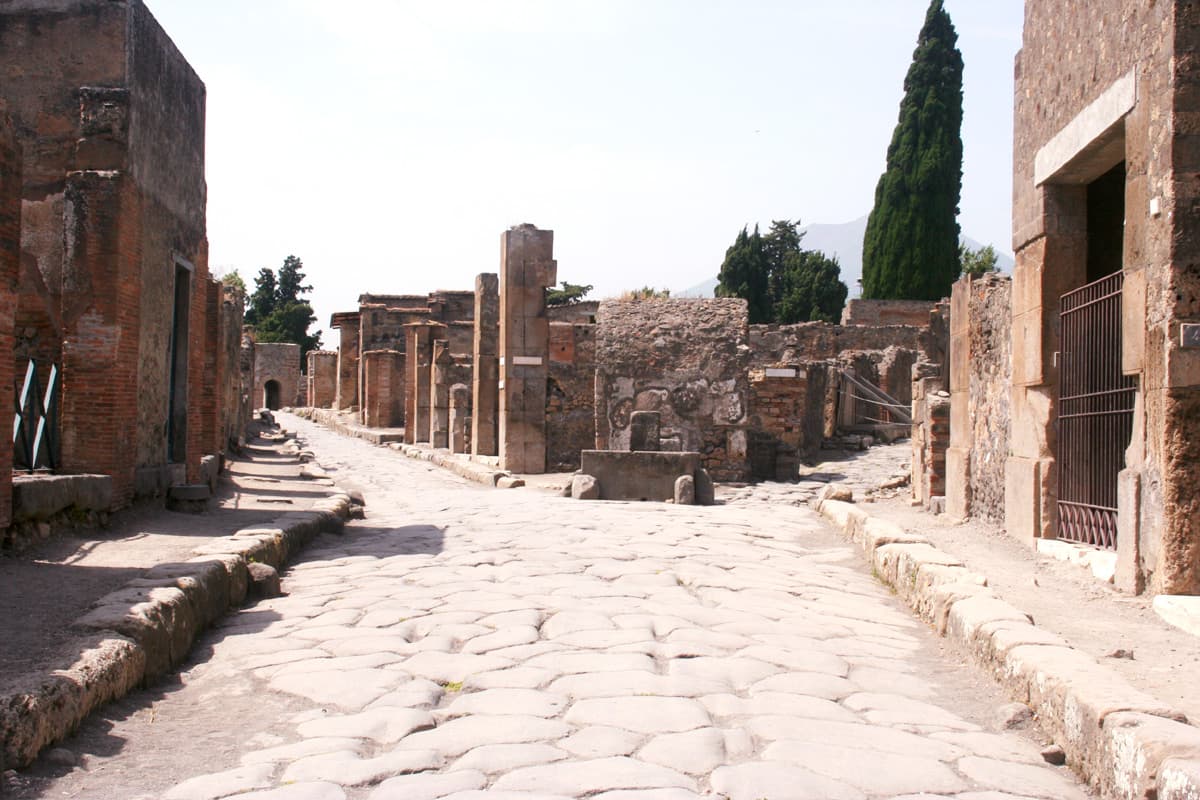
**Pompeii or Herculaneum** belongs in most first Naples trips. Pompeii is bigger and more famous; Herculaneum is smaller, often easier to absorb, and exceptionally vivid. If you only have one archaeology day and hate huge sites, Herculaneum plus the Archaeological Museum can be smarter than Pompeii plus exhaustion.
**Capri, Ischia, Procida, or the Amalfi Coast** can work from Naples, but do not overload the trip. Capri is glamorous and busy, Ischia is better for beaches and thermal-spa energy, Procida is smaller and colorful, and the Amalfi Coast is beautiful but logistically slower. Pick one coastal/island day if you have 4 or 5 days. Do not try to make Naples, Pompeii, Capri, and Amalfi all behave inside a three-day schedule. They will not.
A simple 3-day Naples itinerary
A good 3-day Naples itinerary should give the city itself real time, not just use it as an archaeological waiting room.
Day 1: Centro Storico, pizza, and the old city
Start in Centro Storico. Walk Spaccanapoli, Santa Chiara, San Gregorio Armeno, Via dei Tribunali, and the Duomo area. Book Cappella Sansevero ahead if it is important to you.
Use lunch for pizza or street food, then keep the afternoon loose for churches, courtyards, coffee, and small museums. In the evening, eat in the historic core if you want full atmosphere, or move toward Chiaia or Vomero if you want a calmer dinner.
Day 2: Archaeology and waterfront reset
Choose Pompeii or Herculaneum in the morning. Start early and keep the visit focused. Pompeii can take most of the day if you let it; Herculaneum is easier to combine with Naples afterward.
Return to Naples and visit the National Archaeological Museum if energy and timing allow, or save it for the morning of day 3. End with the Lungomare, Santa Lucia, or a waterfront dinner so the day does not become all stone, dust, and train platforms.
Day 3: Museum, Vomero views, Chiaia, and a final food loop
Use the morning for the National Archaeological Museum if you skipped it, or for Naples Underground/Bourbon Tunnel if you want the layered-city story. Then take a funicular up to Vomero for Castel Sant'Elmo views.
In the afternoon, come back down toward Chiaia, Via Toledo, the Spanish Quarter edge, or the waterfront depending on your base. Keep the final evening flexible: one more pizza, a proper trattoria meal, pastries, or a last walk where Naples looks chaotic until it suddenly looks beautiful.
Safety, scams, and practical mistakes to avoid
Naples is generally safe for normal tourist behavior, but it demands better street awareness than softer Italian city breaks. The main risks are pickpocketing, bag snatches, traffic, transit confusion, taxi misunderstandings, and choosing the wrong street or station area late at night.
Watch your phone near streets and scooter lanes. Keep bags closed in the historic core, around Garibaldi/Centrale, on crowded trains, and in packed food streets. Do not leave phones loose on outdoor tables. This is not paranoia; it is just urban arithmetic.
Around Napoli Centrale and Piazza Garibaldi, move with purpose, especially at night. The area is useful, not charming. If you stay there, choose a well-reviewed hotel close to the station, use taxis when sensible, and avoid late wandering with luggage.
Crossing streets in Naples requires confidence and timing. Wait for a local if needed, move predictably, and do not freeze in the middle of traffic like a decorative bollard with anxiety.
Use official taxis or app-supported options where available, and confirm fares before longer rides. For airport and port movement, official fixed fares may apply; check current posted information instead of negotiating from a position of jet-lagged ignorance.
Do not overpack day trips. Pompeii plus Vesuvius plus Naples museum plus a famous pizza queue in one day is not an itinerary; it is a cry for help with admission tickets.
Finally, respect the city. Naples deals with heavy tourism, tight streets, working neighborhoods, and enough outside commentary from people who spent six hours near the station and became experts. Keep your expectations honest and your bag zipped.
How to time your Naples trip for better value
Naples can be better value than Rome, Florence, Venice, Capri, or the Amalfi Coast, but the good value depends on how you use it. The city is a strong base for archaeology and islands, but too many expensive day trips can erase the savings fast.
For accommodation value, compare Chiaia, Vomero, Centro Storico, and station-area hotels by total friction, not just nightly rate. A cheaper room near Centrale may save money, but if you spend the trip taxiing back late or disliking the surroundings, the math gets uglier.
Flights into Naples can be excellent if your trip focuses on Campania. If Naples prices are high, compare Rome plus train, but do not forget that time and transfers have a cost. Naples works especially well as part of an open-jaw Italy trip: Rome to Naples, then onward to Sicily, Puglia, or back north by rail.
Book Pompeii, Herculaneum, Cappella Sansevero, ferries, and key restaurants ahead in busy periods. Leave some meals unplanned, though. Naples rewards improvisation as long as you are not improvising while starving beside the worst menu in the street.
For the best balance of comfort and value, look at spring and fall weekdays, stay 3 or 4 nights, choose a base that makes evenings pleasant, and pick one major day trip instead of collecting them like unpaid invoices.
> **Quick answer block:** The best-value Naples trip is usually a 3- or 4-night spring or fall stay in Chiaia, Santa Lucia, Vomero, or a well-chosen historic-core base, with one archaeology day, one serious Naples day, and one flexible food/view/coast day.
FAQ
How many days do you need in Naples for a first visit?
Most first-time visitors need 3 full days in Naples: one day for the historic core and food, one for Pompeii or Herculaneum, and one for the Archaeological Museum, Vomero views, Chiaia, or the waterfront. Add a fourth or fifth day for Capri, Ischia, Procida, or the Amalfi Coast.
Is Naples safe for tourists?
Naples is generally safe for tourists who use normal city awareness. The main concerns are pickpocketing, bag control, station-area caution, scooter traffic, and late-night route choices. Violent crime is not the normal visitor issue; careless phone and wallet handling is.
What is the best area to stay in Naples for first-timers?
Chiaia and Santa Lucia are the easiest first-timer bases, Vomero is best for a calmer residential stay with views, Centro Storico is best for atmosphere, and the station area is best only when train or airport logistics matter most.
Should I visit Pompeii or Herculaneum from Naples?
Visit Pompeii if you want the famous, large-scale archaeological city and have the time and energy for it. Visit Herculaneum if you want a smaller, denser, easier site that still feels vivid. If archaeology is a major reason for your trip, pair either one with the National Archaeological Museum in Naples.
Is Naples a good base for the Amalfi Coast?
Naples can work as a base for one coastal or island day, especially Capri, Ischia, Procida, or Sorrento. For a slow Amalfi Coast trip, sleeping on or near the coast is better. Naples-to-Amalfi day trips are possible, but they can become long transport days dressed up as romance.
Let Fare Window find the best fares for your next trip.
Track routes, watch price changes, and get smarter alerts before you book.
Start tracking faresKeep planning
Related travel guides
Explore more first-time destination guides while you compare routes, seasons, and trip shapes.